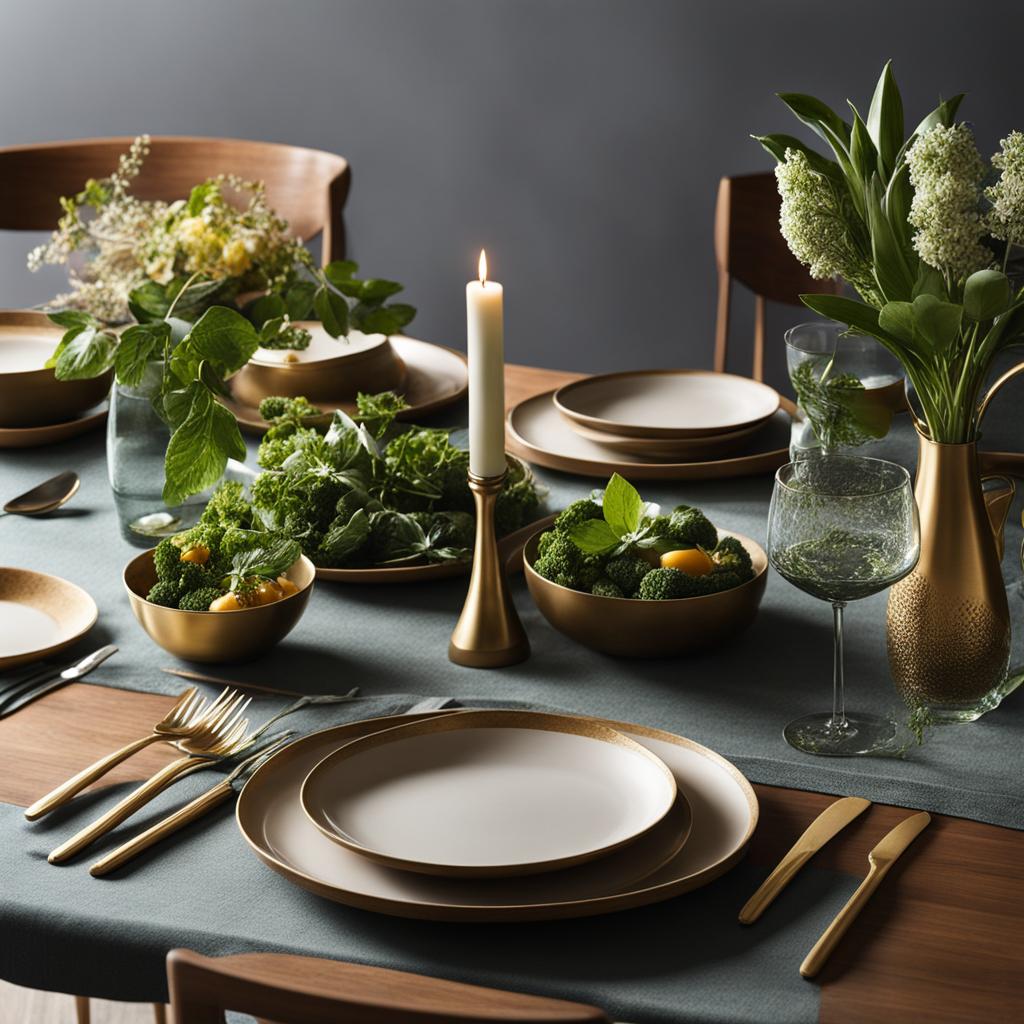
Welcome to my guide on finding the best non-toxic dinnerware options that are both safe and stylish! In today’s world, it’s crucial to prioritize our health and the environment, even when it comes to something as simple as the plates we eat from. That’s why I’ve curated a list of 15 dinnerware sets made from natural, organic, or recycled materials that are free from harmful chemicals like lead, cadmium, BPA, and melamine.
Key Takeaways:
- Choose non-toxic dinnerware made from natural, organic, or recycled materials.
- Opt for dinnerware sets that are free from harmful chemicals like lead, cadmium, BPA, and melamine.
- Consider both the safety and visual appeal when selecting dinnerware for everyday use, special occasions, or outdoor dining.
- Stone Lain stoneware dinnerware set is our top pick, offering a variety of colors and made from non-toxic materials.
- Prioritize your health and the environment by opting for eco-friendly dinnerware options.
Now, let’s dive deeper into the safest dinnerware materials and explore how to find the perfect non-toxic dinnerware for your needs.
The Safest Dinnerware Materials: Ceramic, Stoneware, Porcelain, Glass, Bamboo, Stainless Steel
When it comes to choosing safe dinnerware for your home, it’s important to consider the materials used. The safest dinnerware materials include ceramic, stoneware, porcelain, glass, bamboo, and stainless steel. These materials are known for their durability, non-toxic properties, and resistance to harmful chemicals.
Ceramic dinnerware is a popular choice due to its versatility and wide range of design options. Stoneware is another safe option, known for its durable and chip-resistant nature. Porcelain dinnerware, fired at high temperatures, provides a non-porous surface that is both safe and elegant.
Glass dinnerware is inert and won’t react with your food, making it a safe and hygienic choice. Bamboo dinnerware, when properly treated with food-grade finishes, is also a safe and eco-friendly option. Finally, stainless steel dinnerware is not only durable but also free from any interaction with your food.
Table: Comparison of Safe Dinnerware Materials
| Dinnerware Material | Properties |
|---|---|
| Ceramic | Versatile, wide design options |
| Stoneware | Durable, chip-resistant |
| Porcelain | Fired at high temperatures, non-porous |
| Glass | Inert, won’t react with food |
| Bamboo | Eco-friendly when treated with food-grade finishes |
| Stainless Steel | Durable, no interaction with food |
When selecting dinnerware, ensure it is certified lead-free and free from harmful chemicals. By choosing dinnerware made from these safe materials, you can enjoy stylish and eco-friendly table settings without compromising your health.
How to Find Non-Toxic Dinnerware: Material Composition, Lead and Cadmium-Free, Read Labels and Descriptions, Certifications, Research Brands, Contact Manufacturers, Physical Examination
When it comes to choosing non-toxic dinnerware, there are several factors to consider. By paying attention to the material composition, checking for lead and cadmium-free options, reading labels and descriptions, looking for certifications, researching brands, contacting manufacturers, and conducting a physical examination, you can make an informed decision and find safe dinnerware for your needs.
Material Composition
The first step in finding non-toxic dinnerware is to understand the different materials available. Ceramic, stoneware, porcelain, glass, stainless steel, and bamboo are all popular options. These materials are generally considered safe, but it’s important to ensure they are free from harmful substances like lead or cadmium.
Lead and Cadmium-Free
When searching for non-toxic dinnerware, it’s crucial to choose sets that are explicitly labeled as lead and cadmium-free. These heavy metals can leach into food and have been linked to various health issues. Look for dinnerware that meets international safety standards and has undergone testing to confirm its safety.
Read Labels and Descriptions
Take the time to read labels, packaging, and product descriptions carefully. Look for any information about the materials used, whether the dinnerware is dishwasher-safe, microwave-safe, and free from chemicals like BPA and melamine. This information can give you a better understanding of the safety and durability of the dinnerware.
Certifications
Look for dinnerware that has been certified by reputable organizations such as the FDA or NSF International. These certifications indicate that the dinnerware has undergone rigorous testing and meets strict safety standards. Keep an eye out for symbols or logos indicating these certifications.
Research Brands and Manufacturers
Before making a purchase, take the time to research different brands and manufacturers. Look for companies that prioritize safety and have a track record of producing non-toxic dinnerware. Read customer reviews and seek recommendations from trusted sources to ensure you’re choosing from reputable options.
Contact Manufacturers
If you have any specific questions or concerns about the safety of a particular dinnerware set, don’t hesitate to contact the manufacturer directly. They should be able to provide you with more detailed information about the materials used, the manufacturing process, and any safety certifications they have obtained.
Physical Examination
If possible, examine the dinnerware in person before making a purchase. Look for any defects, irregularities, or signs of poor craftsmanship. Pay attention to the weight, thickness, and overall quality of the dinnerware. This physical examination can help you assess the durability and safety of the dinnerware.
By following these guidelines and taking the time to research and evaluate different options, you can find non-toxic dinnerware that meets your safety standards and suits your personal style.
Materials to Avoid for Dinnerware: Ensuring Safety and Health
When it comes to choosing dinnerware that is safe and non-toxic, there are certain materials you should avoid. These materials can pose a risk to your health and the environment, so it’s essential to be aware of them.
BPA-Plastic and Melamine:
Avoid dinnerware made from BPA-plastic and melamine. These materials are known to leach harmful chemicals into your food, especially when exposed to heat. Look for alternatives like ceramic, stoneware, glass, or stainless steel.
Lead and Cadmium Glazes:
Be cautious of dinnerware with lead and cadmium glazes. These heavy metals can contaminate your food and have adverse health effects. Choose dinnerware that is explicitly labeled as lead-free and cadmium-free.
Decorative Paints or Glazes:
Stay away from dinnerware with decorative paints or glazes that may contain toxic substances. These paints and glazes can chip or leach into your food, posing a health risk. Select dinnerware with non-toxic glazes and paints.
Untreated Wood or Bamboo:
Avoid using untreated wood or bamboo dinnerware. These natural materials can harbor bacteria, mold, or other pathogens. Ensure that wooden or bamboo dinnerware is treated with food-grade finishes to make it safe for use.
Uncertified Ceramic or Porcelain:
Be cautious of ceramic or porcelain dinnerware that is uncertified. Without proper certification, there’s no guarantee that it meets safety standards. Look for dinnerware certified by reputable organizations like the FDA or NSF International.
Unknown or Suspicious Brands:
Exercise caution when purchasing dinnerware from unknown or suspicious brands. Stick to well-known and reputable brands that prioritize safety and quality. Look for customer reviews and feedback to ensure you’re making a reliable choice.
Reclaimed or Vintage Dinnerware:
Avoid using reclaimed or vintage dinnerware, as it may contain lead or other harmful substances. These older pieces may not meet current safety standards and can pose health risks. Opt for new dinnerware made from non-toxic materials.
Recalled Dinnerware:
Always check for recalls on dinnerware. If a particular product has been recalled due to safety concerns, it’s best to avoid using it. Stay updated with recall information and choose dinnerware that hasn’t been flagged for safety issues.
By being mindful of these materials to avoid and making informed choices, you can ensure that your dinnerware is both safe for you and your loved ones.
FAQ
What are the best non-toxic dinnerware options?
The best non-toxic dinnerware options include ceramic, stoneware, porcelain, glass, bamboo, and stainless steel. Look for dinnerware that is certified lead-free and free from harmful chemicals.
How can I find non-toxic dinnerware?
When searching for non-toxic dinnerware, consider the materials used, such as ceramic, stoneware, porcelain, glass, stainless steel, or bamboo. Look for dinnerware that is explicitly labeled as lead-free and cadmium-free. Read labels, packaging, and product descriptions to ensure the dinnerware is free from harmful chemicals. Look for certifications from reputable organizations like the FDA or NSF International. Research well-known and reputable brands that prioritize safety. Contact manufacturers for more information about their dinnerware’s safety. If possible, examine the dinnerware in person before purchasing to check for any defects or irregularities.
What materials should I avoid for dinnerware?
It is best to avoid BPA-plastic, melamine, dinnerware with lead and cadmium glazes, decorative paints or glazes, untreated wood or bamboo, uncertified ceramic or porcelain, unknown or suspicious brands, and reclaimed or vintage dinnerware.