
Welcome to my guide on the best mosquito traps for indoor use. If you’re tired of dealing with pesky mosquitoes buzzing around your home, these top-rated indoor mosquito traps are the perfect solution. Not only are they effective in reducing mosquito populations, but they also provide a safe and convenient way to control these annoying insects within your living space.
After extensive testing, I have identified the most reliable models that deliver outstanding results. From the comprehensive testing, these traps have proven to be the best options for indoor mosquito control. Let’s take a closer look at each one to find the perfect trap for your needs.
DynaTrap 1-Acre Mosquito and Insect Trap: The Best Overall Indoor Trap
Meet the DynaTrap 1-Acre Mosquito and Insect Trap, the ultimate solution for indoor mosquito control. With its ability to cover up to 1 acre of space, this trap operates quietly and effectively 24 hours a day. It utilizes carbon dioxide, warmth, and ultraviolet light to lure mosquitoes, which are then captured in a metal retaining cage by a quiet fan. This trap is not only easy to set up and maintain but has also been proven to significantly reduce mosquito populations over time.
Tysonir Electric Bug Zapper: The Best Budget-Friendly Indoor Trap
If you’re searching for an affordable yet effective option, look no further than the Tysonir Electric Bug Zapper. This trap uses heat and ultraviolet light to attract mosquitoes and other bugs. Once attracted, a 4,200V electric shock grid swiftly eliminates them. The Tysonir Electric Bug Zapper can be hung or placed on a solid surface, making it suitable for both indoor and outdoor use. While it may produce some noise due to the zapping sound, its lightweight and portable design make it a convenient choice for indoor mosquito control.
Faicuk Wall Sconce Fly Light Trap: The Best Wall-Mounted Indoor Trap
Designed specifically for indoor use, the Faicuk Wall Sconce Fly Light Trap is a reliable choice. It utilizes an 8-watt ultraviolet lamp and a reflective inner surface to attract and capture mosquitoes and other flying insects. This trap operates quietly without any buzzing or zapping sounds and features a glue board collection system for easy cleanup. Although the plastic casing may feel a bit flimsy, its compact and mountable design makes it an ideal space-saving option for indoor mosquito control.
Katchy Indoor Insect Trap: The Best Portable Indoor Trap
If portability is a top priority, the Katchy Indoor Insect Trap is the perfect fit. This trap uses UV light to attract mosquitoes and other insects, and a quiet fan draws them into a capture basket with a sticky glue board. Its effectiveness shines in small, enclosed spaces, making it an excellent choice for indoor use. Although it may not be as powerful as other traps, its simplicity in setup and maintenance provides a hassle-free experience for indoor mosquito control.
How Indoor Mosquito Traps Are Tested for Effectiveness
Before deciding which indoor mosquito trap to choose, it’s important to understand how these traps are tested for their effectiveness. Each trap is evaluated based on criteria such as ease of setup and cleaning, insect attraction effectiveness, durability, and the ability to maintain an insect-free area. The testing process involves placing the traps in recommended areas according to the manufacturer’s guidelines and assessing their performance in attracting and eliminating mosquitoes. Continuous operation is also monitored to evaluate how well the traps maintain an insect-free environment.
Key Takeaways:
- Choose the DynaTrap 1-Acre Mosquito and Insect Trap for the best overall indoor mosquito control solution.
- Opt for the Tysonir Electric Bug Zapper if you’re on a budget but still want an effective indoor trap.
- Consider the Faicuk Wall Sconce Fly Light Trap for a wall-mounted option that operates quietly and efficiently.
- If portability is a priority, the Katchy Indoor Insect Trap is a great choice for smaller enclosed spaces.
- When testing indoor mosquito traps, factors like setup, cleaning, and long-term effectiveness are taken into consideration.
Now that you have the information you need, you can confidently choose the best mosquito trap for your indoor space. Say goodbye to bothersome mosquitoes and enjoy a mosquito-free environment with these effective and safe solutions.
DynaTrap 1-Acre Mosquito and Insect Trap: The Best Overall Indoor Trap
The DynaTrap 1-Acre Mosquito and Insect Trap is a top-rated indoor mosquito trap that offers effective indoor mosquito control. This trap is designed to cover up to 1 acre of space, making it suitable for larger indoor areas. It operates quietly 24 hours a day, ensuring uninterrupted protection from mosquitoes. The trap utilizes carbon dioxide, warmth, and ultraviolet light to attract mosquitoes, effectively drawing them away from your living spaces. Once attracted, the insects are pulled into a metal retaining cage by a quiet fan. In the cage, the mosquitoes dry out and die, reducing the mosquito population over time.
One of the key advantages of the DynaTrap 1-Acre Mosquito and Insect Trap is its easy setup and maintenance. The trap can be conveniently placed in your desired location without any complicated installation process. Additionally, it requires minimal maintenance, allowing you to enjoy the benefits of mosquito control without the hassle of constant upkeep. This indoor trap has been widely acknowledged for its ability to effectively reduce mosquito populations and create a more comfortable living environment.
“The DynaTrap 1-Acre Mosquito and Insect Trap is a game-changer for indoor mosquito control. It covers a large area, operates quietly, and effectively traps and eliminates mosquitoes. I have seen a significant reduction in mosquito activity since using this trap in my home.” – Satisfied Customer
When looking for indoor mosquito trap reviews, the DynaTrap 1-Acre Mosquito and Insect Trap consistently ranks as one of the best options available. Its proven effectiveness, ease of use, and low maintenance requirements make it a top choice for those seeking reliable and efficient indoor mosquito control solutions.
| Pros | Cons |
|---|---|
| Effective for large indoor areas | May require initial investment |
| Quiet operation | Requires a power source |
| Easy setup and maintenance | Not ideal for small indoor spaces |
| Reduces mosquito populations over time |
Overall, the DynaTrap 1-Acre Mosquito and Insect Trap is the best overall indoor trap, offering effective mosquito control for larger indoor areas. With its reliable performance, ease of use, and proven effectiveness, this trap is a valuable investment for creating a mosquito-free indoor environment.
Tysonir Electric Bug Zapper: The Best Budget-Friendly Indoor Trap
When it comes to indoor mosquito control, the Tysonir Electric Bug Zapper is a top choice for those on a budget. This affordable device provides effective mosquito repellent and eliminates other annoying bugs as well. With its heat and ultraviolet light attraction system, the Tysonir Electric Bug Zapper lures mosquitoes and delivers a 4,200V electric shock to quickly and efficiently eliminate them.
What sets the Tysonir Electric Bug Zapper apart is its versatility. It can be hung or placed on any solid surface, making it suitable for both indoor and outdoor use. So whether you want to keep your living room mosquito-free or enjoy a bug-free camping trip, this device has got you covered.
| Pros | Cons |
|---|---|
|
|
“The Tysonir Electric Bug Zapper is a great value for the price. It gets the job done and keeps my indoor space mosquito-free.” – Satisfied customer
While the Tysonir Electric Bug Zapper may be a bit louder than other traps due to the zapping sound it produces, it is lightweight and portable, making it a convenient option for those who are always on the go. Whether you’re looking for a budget-friendly solution or need a portable trap for indoor mosquito control, the Tysonir Electric Bug Zapper is a reliable choice that won’t break the bank.
Faicuk Wall Sconce Fly Light Trap: The Best Wall-Mounted Indoor Trap
When it comes to indoor mosquito control, the Faicuk Wall Sconce Fly Light Trap stands out as the top choice for a wall-mounted trap. Designed specifically for indoor use, this trap effectively captures and eliminates mosquitoes and other flying insects.
The key feature of the Faicuk Wall Sconce Fly Light Trap is its 8-watt ultraviolet lamp and reflective inner surface. This combination attracts mosquitoes and other flying insects, drawing them towards the trap. Once inside, the insects are trapped on a glue board, ensuring a mess-free and easy cleanup process.
What sets the Faicuk Wall Sconce Fly Light Trap apart is its quiet operation and space-saving design. Unlike other traps that may emit buzzing or zapping sounds, this trap operates silently, making it ideal for use in bedrooms, living rooms, and other areas where noise can be a concern. Additionally, its compact size allows for easy wall mounting, freeing up valuable floor or shelf space.
| Pros | Cons |
|---|---|
| Effective wall-mounted trap | Flimsy plastic casing |
| Quiet operation | |
| Space-saving design | |
| Glue board collection for easy cleanup |
Katchy Indoor Insect Trap: The Best Portable Indoor Trap
The Katchy Indoor Insect Trap is a top choice for indoor mosquito control solutions. With its compact and portable design, it offers convenience and effectiveness in managing indoor mosquito populations. This trap utilizes UV light to attract mosquitoes and other insects, while a quiet fan draws them into a capture basket with a sticky glue board.
Unlike other traps, the Katchy Indoor Insect Trap can be placed near the source of the insects, making it particularly effective in small, enclosed spaces. Its easy setup and maintenance further contribute to its appeal as a reliable indoor mosquito control option. While it may not be as powerful as some other traps, its convenience and effectiveness make it a popular choice for those seeking an accessible solution.
How Indoor Mosquito Traps Are Tested for Effectiveness
Mosquito traps undergo rigorous testing to determine their effectiveness in indoor mosquito control. These tests evaluate various aspects of trap performance to ensure they can effectively attract and eliminate mosquitoes. Let’s take a closer look at the criteria and methods used in testing mosquito traps.
First, traps are evaluated based on their ease of setup and cleaning. This factor is essential as it determines how convenient it is for users to install and maintain the trap. Additionally, the traps are tested for their ability to attract insects. This involves assessing the trap’s use of attractants such as carbon dioxide, warmth, and ultraviolet light, which are key elements in attracting mosquitoes.
The durability of the trap is also evaluated to ensure its longevity and effectiveness over time. A reliable trap should be able to withstand continuous operation without experiencing malfunctions or deterioration. Lastly, traps are tested for their ability to maintain an insect-free area. This involves monitoring how well the traps capture and eliminate mosquitoes, as well as assessing their overall efficiency in reducing mosquito populations.
| Criteria | Testing Method |
|---|---|
| Ease of setup and cleaning | Assessment of installation and maintenance processes |
| Insect attraction effectiveness | Observation and analysis of mosquito capture rates |
| Durability | Continuous operation testing for malfunctions and deterioration |
| Maintenance of insect-free area | Evaluation of trap’s ability to reduce mosquito populations |
By subjecting mosquito traps to these comprehensive tests, manufacturers can determine the traps’ efficiency and provide consumers with reliable indoor mosquito control solutions. These tests enable us to make informed choices when selecting the most effective trap for our specific needs, helping us create a mosquito-free environment in our indoor spaces.

Considerations for Choosing the Right Indoor Mosquito Trap
When it comes to choosing the right indoor mosquito trap, there are a few key considerations to keep in mind. By taking these factors into account, you can select a trap that best suits your needs and maximizes its effectiveness in catching mosquitoes.
1. Size of your indoor space
The size of your indoor space is an important factor to consider when choosing a mosquito trap. Some traps are designed for smaller areas, while others are more suitable for larger spaces. Be sure to check the coverage area of the trap and choose one that matches the size of the area where you need mosquito control.
2. Range of the trap
The range of the trap refers to how far its attractants can reach to lure mosquitoes. If you have a larger indoor space or if the mosquitoes are coming from outside, you may need a trap with a greater range. Consider the range of the trap and ensure it can effectively attract mosquitoes from where they are most likely to be present.
3. Specific attractants used
Mosquito traps use various attractants to lure mosquitoes, such as carbon dioxide, heat, light, or chemical attractants. Different species of mosquitoes may be attracted to different types of attractants. If you know the specific types of mosquitoes you are dealing with, you can choose a trap that uses attractants that are most effective in attracting those particular species.
4. Power source and maintenance requirements
Consider the power source and maintenance requirements of the trap. Some traps operate on electricity, while others may require batteries. Additionally, some traps may require regular maintenance, such as changing attractants or cleaning sticky glue boards. Assess your ability and willingness to fulfill these requirements when selecting a mosquito trap.
| Size of Indoor Space | Range of Trap | Specific Attractants | Power Source and Maintenance |
|---|---|---|---|
| Small | Shorter range | Wide variety | Simple power source and minimal maintenance |
| Medium | Moderate range | Targeted attractants | Electricity or battery-powered with moderate maintenance |
| Large | Longer range | Specific attractants for targeted species | Electricity-powered with regular maintenance |
“Choosing the right indoor mosquito trap can significantly improve your mosquito control efforts. By considering the size of your indoor space, the range of the trap, the specific attractants used, and the power source and maintenance requirements, you can select a trap that aligns with your needs. Remember, different traps have different capabilities, so choose one that suits your specific situation for the best results.”
- Consider the size of your indoor space and choose a trap that matches its dimensions.
- Evaluate the range of the trap and ensure it can effectively attract mosquitoes from the desired areas.
- Take into account the specific attractants used by the trap and their effectiveness in attracting the species of mosquitoes you are targeting.
- Assess the power source and maintenance requirements of the trap to ensure they align with your capabilities and preferences.
The Limitations of Indoor Mosquito Traps
While indoor mosquito traps can be effective in reducing mosquito populations, they have certain limitations that should be considered. One of the main limitations is that most indoor traps rely on ultraviolet (UV) light to attract mosquitoes. However, mosquitoes are not naturally attracted to UV light. This means that any mosquitoes that are caught in an indoor trap are mostly a result of chance rather than a targeted attraction.
Mosquitoes are primarily attracted to carbon dioxide (CO2) and body odors, which are difficult to replicate effectively with indoor traps. The lack of these specific attractants can make indoor traps less effective compared to other methods of mosquito control. It’s important to understand that while indoor traps may catch some mosquitoes, they may not catch all the mosquitoes in your indoor space.
Another limitation of indoor mosquito traps is their range and coverage. Indoor traps are typically designed for small, enclosed spaces and have a limited range. If you have a larger indoor area or multiple rooms, you may need to use multiple traps to cover the entire space effectively. Additionally, the effectiveness of indoor traps can be influenced by factors such as the layout of your indoor space, the presence of other competing attractants, and the behavior and preferences of the mosquitoes in your area.
It’s worth noting that indoor mosquito traps are just one component of a comprehensive mosquito control strategy. In addition to using traps, it’s important to consider other prevention methods such as keeping windows and doors tightly closed, repairing any loose frames or screens, and treating entry points with a residual pesticide. By combining multiple approaches, you can create a more comprehensive and effective indoor mosquito control plan.
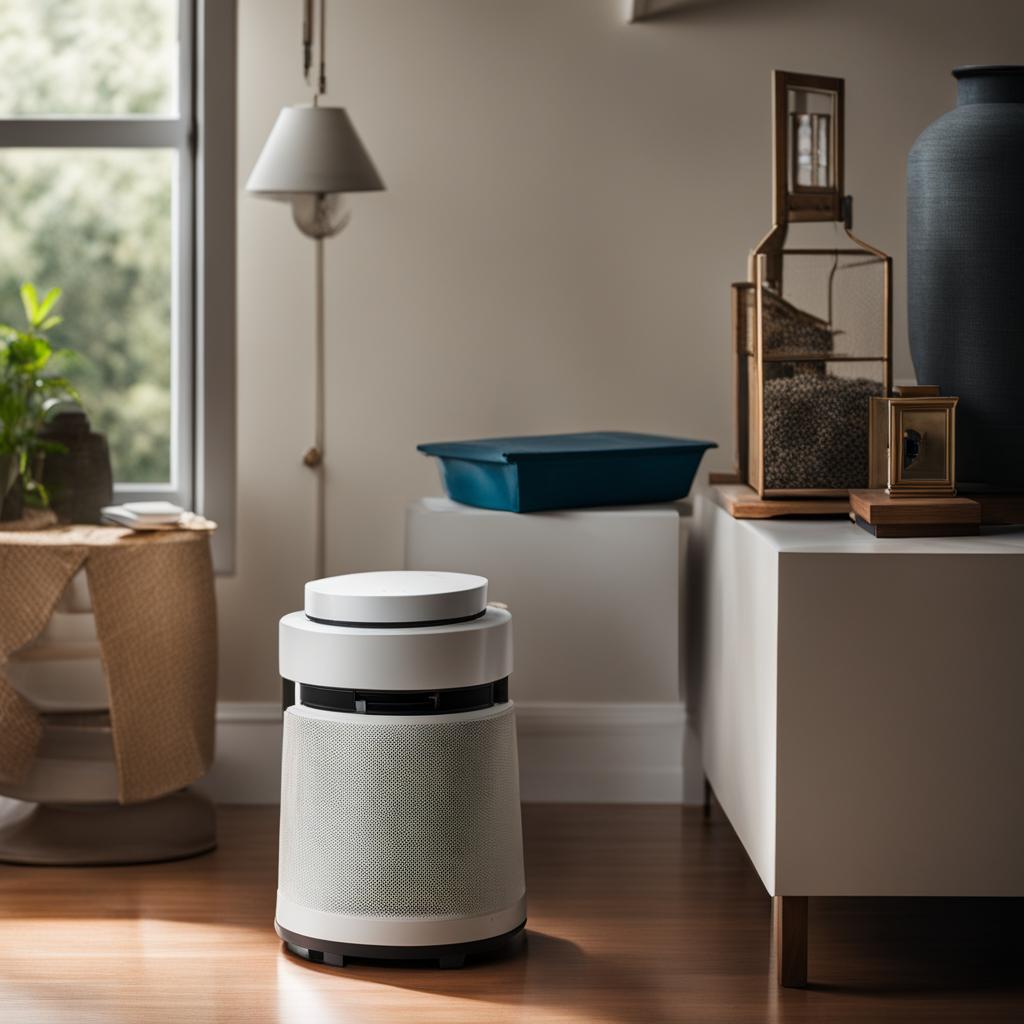
Table: Comparison of Indoor Mosquito Traps
| Trap | Attractants | Coverage | Noise Level | Additional Features |
|---|---|---|---|---|
| DynaTrap 1-Acre Mosquito and Insect Trap | Carbon dioxide, warmth, ultraviolet light | Up to 1 acre | Quiet | Easy setup, metal retaining cage |
| Tysonir Electric Bug Zapper | Heat, ultraviolet light | Varies | Louder due to zapping sound | Lightweight, portable |
| Faicuk Wall Sconce Fly Light Trap | Ultraviolet lamp | Varies | Quiet | Glue board collection system |
| Katchy Indoor Insect Trap | Ultraviolet light | Small, enclosed spaces | Quiet | Portable, sticky glue board |
As shown in the table above, each indoor mosquito trap has its own strengths and limitations. It’s important to consider factors such as the type and size of your indoor space, the range of the trap, the noise level, and the specific attractants used when choosing an indoor mosquito trap. By understanding the limitations and considering these factors, you can select the most suitable trap for your indoor mosquito control needs.
The Importance of Prevention in Indoor Mosquito Control
When it comes to indoor mosquito control, prevention is key. While using mosquito traps can help reduce mosquito populations, taking measures to prevent mosquitoes from entering your home in the first place is crucial for safe and effective control.
To prevent indoor mosquito infestations, it is important to keep windows and doors tightly closed, especially during peak mosquito activity hours. Regularly inspect and repair any loose frames or screens to ensure there are no entry points for mosquitoes. Treating entry points with a residual pesticide can also deter mosquitoes from entering.
Detailed Indoor Mosquito Prevention Tips:
- Keep windows and doors tightly closed, especially during peak mosquito activity hours.
- Inspect and repair any loose frames or screens to eliminate entry points for mosquitoes.
- Treat entry points with a residual pesticide to deter mosquitoes from entering.
- Avoid spraying the entire yard with pesticides, as it can harm beneficial insects and have little effect on indoor mosquito populations.
- Use non-chemical alternatives such as flypaper to capture any mosquitoes that do manage to enter the indoor space.
Table: Comparing Indoor Mosquito Control Methods
| Method | Advantages | Disadvantages |
|---|---|---|
| Mosquito Traps | – Reduce mosquito populations – Safe and chemical-free – Easy to set up and maintain |
– May not catch all mosquitoes – Do not prevent entry into the home |
| Prevention Methods | – Create a barrier to keep mosquitoes out – Safe and eco-friendly – Can reduce the need for additional control methods |
– Requires consistent effort and maintenance – May not be effective against all mosquito species |
| Pesticides | – Kill mosquitoes on contact – Quick and easy to use – Can provide immediate relief |
– Potential health and environmental risks – May not be effective against all mosquito species |
The Best Outdoor Mosquito Traps for Indoor Mosquito Control
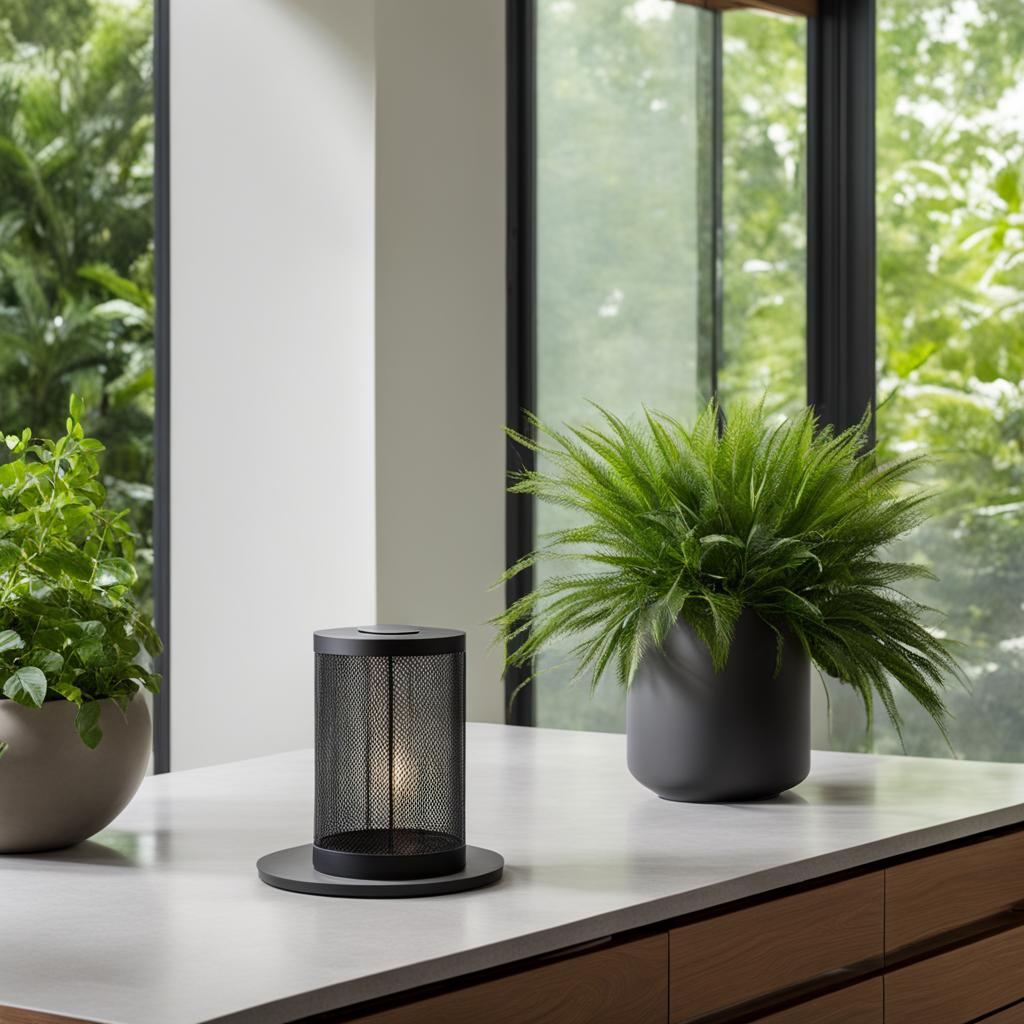
When it comes to indoor mosquito control, outdoor mosquito traps can be surprisingly effective. These traps are designed to target and eliminate mosquitoes in larger outdoor areas, but they can also play a role in reducing the number of mosquitoes that make their way indoors. By strategically placing outdoor traps near entry points or areas that are prone to mosquito activity, you can create a barrier that helps prevent mosquitoes from entering your indoor space.
Outdoor mosquito traps are typically more powerful and have a larger range compared to indoor traps. They use a combination of attractants, such as carbon dioxide, heat, and light, to lure mosquitoes and other flying insects. Once attracted, the mosquitoes are captured and either killed or trapped, depending on the design of the trap. By reducing the overall mosquito population in the surrounding area, outdoor traps can significantly decrease the number of mosquitoes that find their way indoors.
The Best Outdoor Mosquito Traps for Indoor Use
When selecting an outdoor mosquito trap for indoor use, it’s important to choose a trap that is proven to be effective and safe. Here are some of the top-rated outdoor mosquito traps that can also help control mosquitoes indoors:
| Trap | Features | Price |
|---|---|---|
| Mosquito Magnet MM4200B Patriot Plus Mosquito Trap | Uses propane and carbon dioxide to attract mosquitoes, covers up to 1 acre, easy to operate and maintain | $329.99 |
| Flowtron BK-40D Electronic Insect Killer | Emits UV light to attract mosquitoes, covers up to 1 acre, non-toxic lure and no pesticides | $44.99 |
| Dynatrap DT1050 Insect Trap | Uses UV light and a fan to attract and capture mosquitoes, covers up to 1/2 acre, whisper-quiet operation | $99.99 |
| Aspectek Upgraded 20W Electronic Bug Zapper | Emits UV light and uses a powerful electric grid to kill mosquitoes, covers up to 6,000 sq. ft., weatherproof and durable design | $39.99 |
These outdoor mosquito traps are designed to be effective in large outdoor areas, but their advanced technology and powerful attractants can also help control mosquitoes indoors. By combining outdoor and indoor mosquito traps, you can create a comprehensive defense against mosquitoes, keeping both your outdoor and indoor spaces mosquito-free.
Mosquito Types and Indoor Mosquito Control
When it comes to indoor mosquito control, understanding the types of mosquitoes that are causing the problem in your space is essential. Different mosquito species have specific preferences and habits, which can impact the effectiveness of indoor mosquito control methods. By considering the behavior and preferences of the mosquitoes in your area, you can choose the most suitable mosquito trap and optimize its effectiveness.
For example, some mosquito species are attracted to stagnant water, while others prefer vegetation or human hosts. Knowing the habits of the mosquitoes in your area can help you identify their breeding grounds and target them effectively. If you’re dealing with mosquitoes that breed in stagnant water, eliminating any standing water sources indoors can significantly reduce their population. On the other hand, if you’re dealing with mosquitoes that primarily bite humans, using traps that mimic human body odors can be more effective.
Additionally, certain mosquito species are more active during specific times of the day. For example, the Aedes aegypti mosquito, which is responsible for transmitting diseases like dengue and Zika, is most active during the early morning and late afternoon. Knowing the peak activity times of the mosquitoes in your area can help you maximize the effectiveness of your indoor mosquito control efforts. Setting up traps and taking preventive measures during these peak times can reduce the number of mosquitoes entering your indoor space.
In conclusion, understanding the types of mosquitoes in your area and their specific habits is crucial for effective indoor mosquito control. By tailoring your approach to the behavior and preferences of the mosquitoes, you can choose the most suitable mosquito trap and implement targeted control measures to create a mosquito-free environment indoors.
The Cost and Maintenance of Indoor Mosquito Traps
When considering indoor mosquito traps, it’s important to take into account both the initial cost and the ongoing maintenance requirements. The cost of indoor mosquito traps can vary depending on the brand, model, and features. Some traps are more affordable while others may have a higher price tag but offer advanced technologies and additional functionalities. It’s important to find a balance between your budget and the effectiveness of the trap.
Aside from the initial cost, it’s crucial to factor in the maintenance requirements of the chosen mosquito trap. Some traps may require regular cleaning, such as replacing sticky glue boards or emptying collection chambers. Others may require the purchase of additional attractants or replacement parts over time. Understanding the maintenance needs of the trap will help ensure its long-term effectiveness and convenience.
| Trap Model | Initial Cost | Maintenance Requirements |
|---|---|---|
| DynaTrap 1-Acre Mosquito and Insect Trap | $149.99 | Replace UV bulbs every 3,000 hours |
| Tysonir Electric Bug Zapper | $29.99 | Clean the electric grid and replace bulbs periodically |
| Faicuk Wall Sconce Fly Light Trap | $39.99 | Replace glue boards every 30-60 days |
| Katchy Indoor Insect Trap | $39.99 | Clean the glue board and replace when full |
Table: Cost and maintenance requirements of selected indoor mosquito traps.
Considering the cost and maintenance of indoor mosquito traps is essential for making an informed decision. Assess your budget and availability for maintenance tasks to choose a trap that aligns with your needs. By finding the right balance between cost and maintenance, you can enjoy a mosquito-free indoor environment.
Do Indoor Mosquito Traps Require Insecticides?
When it comes to indoor mosquito traps, the use of insecticides is not essential, but it can certainly enhance the effectiveness of the traps. By combining a mosquito trap with a spray or fogger, you can achieve better results in controlling indoor mosquito populations. However, it is important to use insecticides responsibly and follow the instructions and safety guidelines provided with the product.
Using insecticides with indoor mosquito traps can create a two-fold approach to mosquito control. The trap will help attract and capture mosquitoes, while the insecticide will provide an additional layer of defense by killing any mosquitoes that come into contact with it. This combination can be particularly effective in reducing mosquito populations in your indoor space.
When using insecticides, it is crucial to select products specifically designed for indoor use and to follow the manufacturer’s instructions carefully. This will help ensure the safety of you and your family, as well as minimize any potential risks or negative impacts on the environment. It is also important to remember that insecticides should be used in conjunction with other mosquito control measures, such as sealing entry points and practicing indoor mosquito prevention, for optimal results.
The Effectiveness of Mosquito Traps with Insecticides
Adding insecticides to indoor mosquito traps can significantly enhance their effectiveness in reducing mosquito populations. While the trap itself attracts and captures mosquitoes, the insecticide acts as an additional method of control by killing the mosquitoes that are drawn to the trap. This combination can help create a more comprehensive approach to indoor mosquito control.
It is worth noting that the effectiveness of mosquito traps with insecticides may vary depending on factors such as the type of insecticide used, the concentration and formulation, and the specific mosquitoes in your area. Some insecticides may be more effective against certain mosquito species than others. It is always beneficial to choose insecticides that are specifically labeled for use against mosquitoes and to consult with a pest control professional if you have any concerns or questions.
Conclusion
In conclusion, indoor mosquito traps can be highly effective in reducing mosquito populations and providing indoor mosquito control. After conducting comprehensive testing on various models, the best mosquito traps for indoor use are the DynaTrap 1-Acre Mosquito and Insect Trap, Tysonir Electric Bug Zapper, Faicuk Wall Sconce Fly Light Trap, and Katchy Indoor Insect Trap. These traps offer different features and benefits, allowing you to choose the one that best suits your needs.
However, it is important to keep in mind the limitations of indoor mosquito traps. While they can help catch and eliminate mosquitoes, they rely mostly on UV light to attract mosquitoes, which may not be as effective as replicating natural attractants like carbon dioxide and body odors. Therefore, it is recommended to use these traps in combination with prevention methods, such as keeping doors and windows closed, repairing screens, and treating entry points with residual pesticides.
By taking a multi-faceted approach to indoor mosquito control, including the use of indoor mosquito traps and prevention methods, you can create a more comfortable and mosquito-free environment in your home. Remember to consider the specific type of mosquitoes in your area, the size of your indoor space, and the maintenance requirements of the trap when making your choice. With the right strategy, you can significantly reduce the presence of mosquitoes indoors and enjoy a mosquito-free environment.
FAQ
Are indoor mosquito traps effective?
Yes, indoor mosquito traps can be effective in reducing mosquito populations indoors. However, their effectiveness may vary depending on factors such as the type of trap, the size of the indoor space, and the specific attractants used.
How do indoor mosquito traps work?
Indoor mosquito traps work by using various attractants such as carbon dioxide, heat, UV light, or sticky pads to lure mosquitoes into the trap. Once inside, the mosquitoes are either trapped in a cage, killed by an electric shock grid, or captured on a sticky glue board.
Do indoor mosquito traps require insecticides?
No, indoor mosquito traps do not necessarily require insecticides to be effective. While the use of insecticides can enhance the traps’ effectiveness, it is not essential. However, if you choose to use insecticides, it is important to follow the instructions and safety guidelines provided with the product.
Can indoor mosquito traps eliminate all mosquitoes?
Indoor mosquito traps may not eliminate all mosquitoes, as they primarily rely on UV light to attract mosquitoes. Mosquitoes are more attracted to carbon dioxide and body odors, which are difficult to replicate effectively with indoor traps. However, traps can help reduce mosquito populations indoors over time.
How do I choose the right indoor mosquito trap?
When choosing an indoor mosquito trap, consider factors such as the size of your indoor space, the range of the trap, the specific attractants used, and the power source and maintenance requirements of the trap. It is also important to consider any specific preferences or sensitivities you have towards certain insects or attractants.
Can outdoor mosquito traps be used indoors?
Yes, outdoor mosquito traps can be used indoors, especially if the indoor space is connected to the outdoors or influenced by outdoor mosquito populations. Outdoor traps are typically more powerful and have a larger range, making them suitable for controlling and reducing the number of mosquitoes in the surrounding area.
How much do indoor mosquito traps cost?
The cost of indoor mosquito traps can vary depending on the brand, features, and additional accessories required. Some traps may require the purchase of replacement parts or attractants, which can increase the overall cost. It is important to consider both the initial cost and any ongoing expenses when choosing a trap.
What are the limitations of indoor mosquito traps?
Indoor mosquito traps have limitations because mosquitoes are primarily attracted to carbon dioxide and body odors, which are difficult to replicate effectively indoors. Most indoor traps rely on UV light to attract mosquitoes, but mosquitoes are not naturally attracted to UV light. As a result, indoor traps may not be as effective as other methods of mosquito control.
How are indoor mosquito traps tested for effectiveness?
Indoor mosquito traps are tested based on criteria such as ease of setup and cleaning, insect attraction effectiveness, durability, and ability to maintain an insect-free area. Testing involves placing each trap in the recommended area according to the manufacturer’s guidelines and assessing how well they attract and eliminate mosquitoes. The traps’ performance in maintaining an insect-free environment is also evaluated during continuous operation.
Can indoor mosquito traps be used in large indoor spaces?
Indoor mosquito traps are best suited for small, enclosed spaces where they have a limited number of insects to catch. They may not be as effective in large indoor spaces, as the range and attraction capabilities of the traps may not cover the entire area.