What is the Asian Bell Tree (Radermachera sinica)?
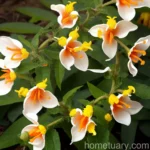
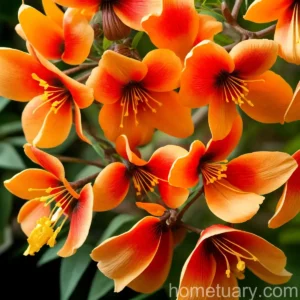
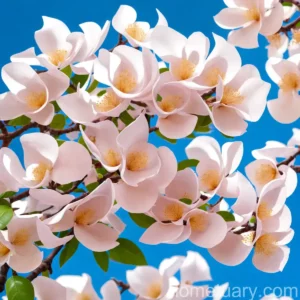
The Asian Bell Tree, scientifically known as Radermachera sinica, is a popular and attractive evergreen tree that belongs to the Bignoniaceae family. It is native to the subtropical regions of southern China and Taiwan. This ornamental tree is commonly grown for its lush, glossy foliage and striking bell-shaped flowers, making it a favored choice in gardens, landscapes, and indoor spaces.
Key Takeaways – Asian Bell Tree (Radermachera sinica)
Before delving into the specifics of caring for the Asian Bell Tree, let’s highlight some key takeaways about this beautiful plant:
- Botanical Name: Radermachera sinica
- Common Name: Asian Bell Tree
- Family: Bignoniaceae
- Native to: Southern China and Taiwan
- Growth Habit: Evergreen tree
- Notable Features: Glossy foliage and bell-shaped flowers
- Popular Uses: Ornamental purposes, indoor and outdoor landscaping
- Special Notes: The Asian Bell Tree is revered for its low-maintenance nature and ornamental appeal.
Now that we have a general understanding of the Asian Bell Tree, let’s dive into the essential factors for its successful growth and care.
Culture
Understanding the cultural requirements of the Asian Bell Tree is fundamental for ensuring its optimal growth and health. This encompasses various aspects such as watering, sunlight exposure, soil conditions, and fertilization.
Water
Relatively speaking, the Asian Bell Tree has moderate water needs. It prefers consistently moist soil but is sensitive to waterlogging. Therefore, it’s crucial to strike a balance, ensuring that the soil is adequately moist without becoming waterlogged.
- The soil should be allowed to dry slightly between watering sessions to prevent waterlogged conditions.
- During the growing season, regular watering is essential, but be cautious not to overwater, especially in heavy or poorly draining soils.
Sunlight
In terms of sunlight requirements, the Asian Bell Tree thrives in bright, indirect light. While it can tolerate some degree of direct sunlight, especially during the morning hours, prolonged exposure to intense sunlight can lead to leaf scorch. Therefore, providing partial shade or dappled sunlight is ideal for this tree’s growth.
- For outdoor planting, consider a location with partial shade, such as under the canopy of taller trees or against a north-facing wall that receives indirect light.
- When grown indoors, placing the tree near a bright window that filters direct sunlight will support optimal growth.
Fertilizer
Proper fertilization plays a pivotal role in nurturing the Asian Bell Tree and promoting vibrant foliage and blooms. While the tree is not excessively demanding in terms of feeding, providing a balanced, slow-release fertilizer during the growing season is beneficial.
- Opt for a well-balanced, slow-release fertilizer specifically formulated for ornamental foliage plants.
- Apply the fertilizer according to the manufacturer’s instructions, typically once in early spring and again in midsummer.
Soil
The Asian Bell Tree thrives in rich, well-draining soil with a slightly acidic to neutral pH range. The soil should offer good aeration and moisture retention while preventing waterlogging.
- Consider amending the soil with organic matter such as compost or well-rotted manure to enhance its texture and fertility.
- A soil pH in the range of 6.0 to 6.5 is considered ideal for the Asian Bell Tree.
Pruning
Pruning is a valuable practice for maintaining the shape, size, and overall appearance of the Asian Bell Tree. Furthermore, periodic pruning helps eliminate dead or damaged branches and encourages healthy growth.
- Perform pruning during the late winter or early spring before the onset of new growth.
- Use sharp, sterilized pruning tools to make clean cuts and minimize the risk of introducing diseases.
Propagation
The propagation of the Asian Bell Tree can be achieved through the following methods:
- Seed Propagation: While viable seeds are obtainable from mature fruits, propagation via seeds is relatively slow and less commonly practiced due to the availability of faster methods.
- Stem Cuttings: Propagation through stem cuttings offers a more efficient and reliable approach. Take 4-6 inch (10-15 cm) cuttings from healthy, non-flowering stems and root them in a well-draining rooting medium.
Container Popularity
The Asian Bell Tree is a favored choice for container gardening due to its adaptability to container environments and its attractive ornamental value. When grown in containers, it can be used to adorn patios, balconies, and indoor spaces.
Common Diseases
Despite being relatively resilient, the Asian Bell Tree can be susceptible to certain diseases and pests. Let’s explore some common issues that may affect the health of this tree:
Disease Diagnosis
- Leaf Spot: Fungal leaf spot diseases can occur, characterized by the development of dark lesions on the foliage. Good air circulation and proper watering practices can help prevent this issue.
- Powdery Mildew: This fungal disease presents as a powdery white coating on the leaves, often due to high humidity levels. Improving air circulation and avoiding overhead watering can mitigate powdery mildew.
Common Pests
- Aphids: These small, sap-sucking insects can be a nuisance, causing distorted growth and honeydew secretion. Insecticidal soaps or neem oil can effectively control aphid populations.
- Scale Insects: Scale insects can infest the stems and leaves, appearing as small, raised bumps. Pruning infested branches and employing horticultural oils can help manage scale infestations.
Botanist’s Tips
For those tending to the Asian Bell Tree, here are some valuable tips from botanical experts:
- Climate Considerations: While the Asian Bell Tree is renowned for its adaptability, it thrives best in warm, subtropical conditions with mild winters. In regions with colder climates, it can be successfully grown as an indoor plant.
- Pest Vigilance: Regular monitoring for signs of pests and diseases is essential. Early detection allows for prompt intervention, preventing issues from escalating and affecting the tree’s health.
Fun Facts
- Ornamental Significance: The Asian Bell Tree is highly esteemed in traditional Chinese culture, often associated with symbols of prosperity and good fortune. It is commonly featured in auspicious decorations and festive settings.
- Air-Purifying Qualities: This tree is recognized for its air-purifying properties, effectively removing pollutants from indoor spaces and enhancing air quality.
Links to External Resources
For comprehensive information about the Asian Bell Tree and related topics, here are some valuable external resources:
- Radermachera Sinica: A Beautiful Tree with Bell-Shaped Flowers
- Ornamental Trees for Container Gardening
- Managing Common Diseases of Ornamental Trees
As we wrap up, it’s evident that the Asian Bell Tree holds both botanical and cultural significance, making it a cherished addition to diverse environments. By understanding and implementing the recommended care practices, enthusiasts and horticulturalists can continue to appreciate the beauty and resilience of this remarkable tree. Whether gracing outdoor landscapes or enhancing indoor spaces, the Asian Bell Tree indeed leaves a lasting impression.
Feel free to explore the provided links for further insights into the Asian Bell Tree and related horticultural subjects.