Arisaema sikokianum (Japanese Cobra Lily): A Complete Guide for Plant Enthusiasts
Arisaema sikokianum, commonly known as the Japanese Cobra Lily, is a fascinating plant that has intrigued botanists and plant enthusiasts for generations. With its unique characteristics and cultural significance, this plant has captured the interest of many due to its aesthetic appeal and intriguing folklore.
In this comprehensive guide, we will delve into the various aspects of Arisaema sikokianum, including its cultivation, uses, habitat, and much more. Whether you are an avid gardener, a botanist, or simply someone interested in learning about unique plant species, this guide will provide valuable insights into the captivating world of Arisaema sikokianum.
What is Arisaema sikokianum (Japanese Cobra Lily)?
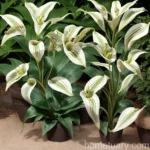
Arisaema sikokianum is a species of flowering plant in the Araceae family, native to Japan. It is renowned for its striking appearance, characterized by a hooded spathe resembling a cobra, from which it derives its common name, the Japanese Cobra Lily. The plant’s inflorescence emerges in early spring and is followed by a distinctive leaf structure, adding to its allure.
Key Takeaways – Arisaema sikokianum (Japanese Cobra Lily)
Before we delve into the specifics of Arisaema sikokianum, let’s take a look at the key takeaways that we will explore in this guide:
- Cultural Significance: Understanding the cultural and symbolic significance of Arisaema sikokianum.
- Cultivation: Exploring the ideal conditions and practices for cultivating Japanese Cobra Lilies.
- Uses: Uncovering the diverse uses, including medicinal and aesthetic purposes, of Arisaema sikokianum.
- Habitat and Growing Conditions: Understanding the natural habitat and ideal growing conditions for Japanese Cobra Lilies.
- Diseases and Pests: Identifying the common diseases and pests that affect Arisaema sikokianum and methods for prevention and control.
- Propagation: Exploring the methods of propagating Japanese Cobra Lilies for expansion and conservation.
- Container Gardening: Discussing the suitability of container gardening for cultivating Arisaema sikokianum.
- Fun Facts: Unearthing interesting and lesser-known facts about this captivating plant.
Now, let’s embark on a journey to discover the enchanting world of Arisaema sikokianum.
Culture
Cultural Significance
Arisaema sikokianum holds a significant place in Japanese culture and folklore. In Japan, it is revered for its unique appearance and is often associated with myths and legends. The cobra-like spathe is said to symbolize protection and warding off evil spirits, making it a cherished plant in Japanese gardens and traditional landscapes.
The plant’s cultural significance extends to its portrayal in art, literature, and traditional medicine, where it is valued for its aesthetic appeal and purported medicinal properties. Within the realm of Japanese mythology, the Japanese Cobra Lily has been depicted as a symbol of strength and resilience, further elevating its cultural significance.
Symbolism
For centuries, Arisaema sikokianum has symbolized various virtues and emotions. In Japanese culture, it is often associated with themes of protection, longevity, and endurance. Its unique form and the mystique surrounding its cobra-like appearance have inspired artists and storytellers, leading to its representation in folklore and traditional art as a symbol of power and tenacity.
Uses
Medicinal Uses
Arisaema sikokianum has been identified in traditional medicine for its potential medicinal properties. In certain practices, various parts of the plant are used for their purported healing qualities. However, it is important to note that the usage of this plant for medicinal purposes should be approached with caution, as some parts of the plant may contain toxic compounds.
Aesthetic Uses
From a horticultural perspective, Arisaema sikokianum is highly prized for its ornamental value. Its unique floral structure and distinctive foliage make it a sought-after plant for gardens, botanical collections, and landscape designs. The visual appeal of the Japanese Cobra Lily adds a touch of exotic elegance to garden spaces, attracting enthusiasts with an appreciation for rare and intriguing plant species.
Cultivation
Successfully cultivating Arisaema sikokianum requires a deep understanding of its specific requirements and growing conditions. Let’s explore the essential factors that contribute to the successful growth and maintenance of Japanese Cobra Lilies.
Water
Adequate moisture is crucial for the healthy development of Arisaema sikokianum. While it is essential to keep the soil consistently moist, it is equally important to ensure proper drainage to prevent waterlogging, which can be detrimental to the plant. Additionally, during periods of active growth, it is advisable to monitor the plant’s water requirements and adjust watering frequency accordingly.
Sunlight
Japanese Cobra Lilies thrive in partial shade to dappled sunlight, replicating their natural woodland habitat. Exposure to direct, intense sunlight should be avoided, as it can lead to leaf burn and stress the plants. Providing a shaded environment, particularly during the peak of summer, will support the plant’s growth and vitality.
Fertilizer
When it comes to feeding Arisaema sikokianum, a balanced, organic fertilizer can be applied at the beginning of the growing season. However, it is crucial to avoid over-fertilization, as this can lead to excessive leaf growth at the expense of flowering. A gentle, slow-release fertilizer with a balanced NPK ratio can contribute to the overall health and vigor of the plant.
Soil
Well-draining, humus-rich soil that retains moisture without becoming waterlogged is ideal for Arisaema sikokianum. A slightly acidic to neutral soil pH range is preferred, providing an optimal medium for root development and nutrient uptake. Incorporating organic matter into the soil can further enhance its structure and nutrient content, creating a conducive environment for the plants.
Pruning
Minimal pruning is required for Arisaema sikokianum. Any dead or damaged foliage can be gently removed to maintain the plant’s aesthetic appeal and prevent the spread of diseases. However, it is important to exercise caution when handling the plant, as certain parts of it may contain irritants. Pruning tools should be used carefully, and protective gloves are recommended when working with the plant.
Propagation
Arisaema sikokianum can be propagated through various methods, including division, offsets, and seed propagation. Each approach offers unique advantages and challenges, allowing enthusiasts to expand their collection of Japanese Cobra Lilies and contribute to conservation efforts.
Seed Propagation
Seeds can be collected from mature Arisaema sikokianum plants and sown in a well-prepared, sterile growing medium. The seeds should be kept slightly moist and provided with indirect light until germination occurs. It is important to note that seed propagation may require patience, as Japanese Cobra Lilies typically take several years to reach maturity from seed.
Division
Dividing established clumps of Arisaema sikokianum can be an effective method of propagation. This process involves carefully separating the rhizomes and ensuring that each division has sufficient roots and growing points to support its growth. Divisions can then be planted in suitable locations, where they will establish and develop into independent plants over time.
Container Popularity
Arisaema sikokianum’s unique and exotic appearance makes it an appealing choice for container gardening. Cultivating Japanese Cobra Lilies in containers offers several advantages, including the ability to create microclimates, control soil conditions, and showcase the plants in prominent locations within gardens and outdoor spaces.
Container Gardening Tips
When selecting containers for Arisaema sikokianum, opt for those with adequate drainage holes to prevent waterlogging. A well-draining potting mix that retains moisture without becoming waterlogged is essential for supporting the plant’s growth in containers. Additionally, consider the placement of containers to provide the ideal lighting conditions, ensuring that the plants receive partial shade and protection from intense sunlight.
Common Diseases
While Arisaema sikokianum is generally resilient, it can be susceptible to certain diseases under unfavorable growing conditions. Recognizing the symptoms of common diseases and adopting preventative measures are crucial for maintaining the health and vigor of Japanese Cobra Lilies.
Disease Diagnosis
The following are examples of common diseases that may affect Arisaema sikokianum:
-
Fungal Infections: Excessive moisture and poor air circulation can create conditions conducive to fungal infections, leading to leaf spots, rot, and wilting. Proper watering practices, well-ventilated environments, and the use of fungicidal treatments can help mitigate these issues.
-
Viral Diseases: Viral infections can manifest as mosaic patterns, stunted growth, and leaf deformities. Preventing the spread of viral diseases by controlling insect vectors and practicing good sanitation can minimize the impact on the plants.
-
Bacterial Blight: Bacterial blight can cause necrotic lesions, wilting, and overall decline in the plant’s health. Maintaining proper hygiene, promptly removing infected plant material, and utilizing bactericidal treatments can aid in managing bacterial blight.
Disease Prevention
Practicing cultural controls, such as proper watering, adequate spacing between plants, and promoting good air circulation, can significantly reduce the risk of disease development. Regular monitoring of the plants for early signs of diseases and prompt intervention can help mitigate the impact on Arisaema sikokianum.
Common Pests
Japanese Cobra Lilies are relatively resistant to pest infestations, but they can still be affected by certain pests that commonly afflict plants. Understanding the potential pests and implementing effective pest management strategies is essential for safeguarding the health and vitality of Arisaema sikokianum.
Pest Identification
Some of the common pests that may target Arisaema sikokianum include:
-
Aphids: These small, sap-sucking insects can congregate on the undersides of leaves, causing distortion and yellowing of the foliage. Regular monitoring and the use of insecticidal soaps or horticultural oils can help control aphid populations.
-
Slugs and Snails: These mollusks can feed on the tender foliage and cause significant damage to the plants. Employing physical barriers, such as copper tape or diatomaceous earth, and removing potential hiding spots can deter slugs and snails from harming the plants.
-
Spider Mites: These microscopic pests can create fine webbing on the leaves and extract fluids from the plant, leading to stippled, discolored foliage. Maintaining adequate humidity levels and utilizing predatory mites or insecticidal treatments can help manage spider mite infestations.
Pest Management
Integrated pest management (IPM) practices, which encompass cultural, mechanical, and biological controls alongside targeted pesticide applications when necessary, can effectively address pest issues while minimizing the impact on beneficial organisms and the environment.
Botanist’s Tips
As a plant scientist and enthusiast, I offer the following tips and insights to enhance your experience with Arisaema sikokianum:
-
Observation and Documentation: Regularly observe and document the growth and development of Japanese Cobra Lilies, noting any changes in appearance, flowering patterns, and overall health. This practice can provide valuable insights and contribute to the plant’s long-term care.
-
Research and Learning: Embrace a spirit of continuous learning and exploration by delving into the rich botanical knowledge surrounding Arisaema sikokianum. Engage in botanical literature, attend relevant workshops and events, and connect with fellow enthusiasts to expand your understanding of the plant.
-
Conservation Advocacy: Consider participating in conservation efforts aimed at protecting and preserving rare and endangered species, including Arisaema sikokianum. Supporting botanical gardens, advocacy groups, and conservation projects can contribute to the safeguarding of plant biodiversity.
Fun Facts
To add to the allure of Arisaema sikokianum, here are some intriguing and lesser-known facts about the Japanese Cobra Lily:
- The plant’s unique inflorescence is thermogenic, meaning it can generate heat, aiding in the attraction of pollinators and potentially providing protection against frost.
- The botanical name “Arisaema” is derived from the Greek words “aris,” meaning “a kind of arum,” and “haima,” meaning “blood,” in reference to the color of the spadix.
- Despite its cobra-like appearance, Arisaema sikokianum is not related to the true lilies (Lilium) and belongs to the family Araceae, which includes other notable ornamental plants such as Anthurium and Philodendron.
Links to External Resources
For a more in-depth exploration of Arisaema sikokianum and related topics, consider accessing the following external resources:
- Royal Horticultural Society – Arisaema sikokianum
- American Society for the Prevention of Cruelty to Plants – Japanese Cobra Lily Conservation
- International Union for Conservation of Nature – Red List of Threatened Species
- Botanical Journal of Japan – Arisaema sikokianum Propagation Techniques
Through these resources, you can gain access to valuable information, scientific insights, and conservation initiatives related to Arisaema sikokianum and its ecological context.
In conclusion, Arisaema sikokianum, the Japanese Cobra Lily, stands as a captivating and culturally significant plant that continues to captivate enthusiasts and researchers alike. Its exotic charm, historical significance, and unique botanical features make it a compelling subject for exploration and admiration. By understanding its cultivation, uses, and ecological context, we can appreciate and contribute to the preservation of this extraordinary plant species for generations to come.