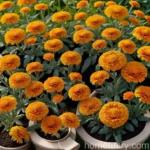
A Comprehensive Guide to Anthemis tinctoria ‘Kelwayii’ (Golden Marguerite)
Anthemis tinctoria, commonly known as Golden Marguerite, is a charming perennial plant that is cherished by gardeners for its bright and cheerful daisy-like flowers. The ‘Kelwayii’ cultivar, in particular, is highly prized for its golden-yellow blooms. In this guide, we will explore all aspects of Anthemis tinctoria ‘Kelwayii,’ from its cultural requirements to its uses in landscaping and gardening.
What is Anthemis tinctoria ‘Kelwayii’ (Golden Marguerite)?
Anthemis tinctoria ‘Kelwayii’ is a cultivar of the species Anthemis tinctoria, which belongs to the Asteraceae family. This hardy perennial is native to various regions of Europe, including France, Italy, Austria, and the Balkans. It is characterized by its finely cut, aromatic foliage and profusion of bright, yellow, daisy-like flowers that adorn the plant throughout the summer months.
Named after the Greek word “anthemon,” which means flower, Anthemis truly lives up to its name by producing an abundance of blooms that attract beneficial pollinators, such as bees and butterflies, to the garden.
Key Takeaways – Anthemis tinctoria ‘Kelwayii’ (Golden Marguerite)
Before we delve into the specifics of caring for Anthemis tinctoria ‘Kelwayii’, let’s summarize some of its key attributes and qualities:
- Beautiful golden-yellow daisy-like flowers
- Aromatic, finely cut foliage
- Perennial nature, returning year after year
- Attracts pollinators to the garden
- Tolerates drought conditions
- Well-suited for borders, containers, and naturalized landscape areas
Now that we have an overall understanding of this delightful plant let’s explore how to cultivate and care for Anthemis tinctoria ‘Kelwayii’ to ensure its optimal growth and health.
Culture
Uses
The Golden Marguerite, with its bright and sunny flowers, serves a myriad of purposes in the garden and beyond:
-
Ornamental Beauty: The radiant blooms of Anthemis tinctoria ‘Kelwayii’ make it a stunning addition to flower beds, borders, and wildflower meadows. Its vibrant color is a delight to behold and offers a splash of joy in the garden landscape.
-
Cut Flower: The long, slender stems of the Golden Marguerite make it an excellent candidate for cut flower arrangements. Its cheerful blooms can effortlessly brighten up any floral display, bringing the spirit of the outdoors indoors.
-
Pollinator Magnet: The abundant nectar and pollen of Golden Marguerite flowers attract a diverse array of pollinators, making it a valuable plant for supporting bees, butterflies, and other beneficial insects.
-
Herbal Use: While primarily grown for ornamental purposes, some gardeners may also appreciate the potential herbal uses of Anthemis tinctoria, including its historic use in traditional medicine for ailments such as stomach discomfort.
With its versatile nature and useful traits, Anthemis tinctoria ‘Kelwayii’ presents itself as a valuable addition to any garden or landscape.
Water
Golden Marguerite generally prefers moderate moisture levels. While it can tolerate drought conditions once established, regular watering is essential, particularly during extended periods of dry weather. Aim to keep the soil consistently moist but not waterlogged, as excessive moisture can lead to root rot and other issues.
Sunlight
Anthemis tinctoria ‘Kelwayii’ flourishes in full sun, where it can bask in bright, direct sunlight for the majority of the day. This plant revels in the warmth and brightness of the sun, and ample sunlight is crucial for the development of its abundant blooms.
Fertilizer
Fertilizing Golden Marguerite can help promote healthy growth and prolific flowering. Apply a balanced, slow-release fertilizer in early spring as new growth begins to emerge. Avoid over-fertilization, as this can lead to excessive foliage at the expense of flowers.
Soil
When it comes to soil preferences, Anthemis tinctoria ‘Kelwayii’ appreciates well-draining, slightly alkaline soil. Amending the soil with organic matter, such as compost, can enhance its fertility and structure, providing an ideal growing medium for this plant. Additionally, the use of mulch around the base of the plant can help retain moisture and suppress weeds.
Pruning
Pruning Golden Marguerite is relatively straightforward. Deadhead spent flowers regularly to encourage continuous blooming and maintain the plant’s tidy appearance. Additionally, cutting back the plant after its initial flush of flowering can promote a compact, bushy growth habit. Prune any damaged or diseased foliage as needed throughout the growing season.
Propagation
Anthemis tinctoria ‘Kelwayii’ can be propagated through division or by taking softwood cuttings. Division can be performed in early spring or early fall, while softwood cuttings are best taken in late spring or early summer. Both methods can yield new, healthy plants that can be shared with fellow gardeners or used to expand the plant’s presence in the landscape.
Container Popularity
While Anthemis tinctoria ‘Kelwayii’ is often grown in garden borders and naturalized areas, it can also thrive in containers, both large and small. Its compact growth habit and prolific blooms make it a charming addition to patio containers, window boxes, and other container gardens. When growing in a pot, ensure the container provides adequate drainage and use a quality potting mix to support the plant’s growth.
Container Common Diseases
When growing Golden Marguerite in containers, it is important to be mindful of common diseases that may affect the plant. These can include:
- Root Rot: Overwatering in poorly-draining containers can lead to root rot, which manifests as wilting, yellowing foliage, and stunted growth. To prevent this, ensure containers have sufficient drainage and avoid waterlogged conditions.
- Powdery Mildew: This fungal disease can appear as a powdery, white substance on the leaves, negatively impacting the plant’s health and appearance. Adequate air circulation and proper spacing can help minimize the risk of powdery mildew in container-grown Golden Marguerite.
Disease diagnosis
Diagnosing and addressing plant diseases promptly is crucial to maintaining the health and vigor of Anthemis tinctoria ‘Kelwayii’. When observing signs of disease, such as unusual spots, discoloration, or wilting, it is important to identify the specific issue through careful observation and potentially consulting with a local garden center or extension service. Once the disease is identified, appropriate measures, such as cultural modifications or targeted treatments, can be employed to combat the problem and prevent its spread.
Common pests
While relatively resilient, Golden Marguerite can occasionally encounter pest pressures. Common pests that may affect Anthemis tinctoria ‘Kelwayii’ include:
- Aphids: These small, soft-bodied insects can cluster on the new growth of plants, sucking sap and potentially causing deformities. They can often be controlled through natural predators, spraying with water, or the application of insecticidal soap.
- Spider Mites: These tiny arachnids can cause stippling and webbing on the foliage of plants, particularly under dry and hot conditions. Mitigating their impact may involve increasing air humidity, regular hosing of the plant, or using horticultural oils.
Prompt identification and intervention can help minimize the damage caused by pests and restore the plant to good health.
Botanist’s tips
To make the most of growing Anthemis tinctoria ‘Kelwayii’ and to ensure its success, here are some tips to consider:
-
Regular Deadheading: Encourage continuous flowering by deadheading spent blooms regularly. This not only maintains the plant’s tidy appearance but also prolongs its blooming period.
-
Well-Draining Soil: Ensure the plant is situated in well-draining soil to prevent waterlogged conditions, which can be detrimental to its health.
-
Adequate Sunlight: Provide Golden Marguerite with ample sunlight to promote vigorous growth and an abundance of flowers. Insufficient sunlight can lead to leggy growth and reduced blooming.
-
Observation: Routinely monitor the plant for any signs of disease, pest infestations, or nutrient deficiencies, taking prompt action to address any issues that arise.
-
Propagate and Share: Anthemis tinctoria ‘Kelwayii’ can be propagated easily, affording the opportunity to expand its presence in the garden or share it with other gardening enthusiasts.
Fun facts
- Historical Use: In the past, Golden Marguerite was employed for its reputed medicinal properties, believed to alleviate various ailments, including digestive issues.
- Celebrated Pollinator: The cheerful blooms of Anthemis tinctoria ‘Kelwayii’ are a favorite among pollinators, earning it a place as a valuable plant for supporting local pollinator populations.
- Long-Lasting Cut Flowers: When used in cut flower arrangements, the blooms of Golden Marguerite can remain attractive for an extended period, bringing enduring beauty to indoor displays.
Now that we’ve explored the various aspects of Anthemis tinctoria ‘Kelwayii’ cultivation, including its cultural requirements, uses, and potential challenges, it’s time to delve into additional resources and information to enhance your knowledge about this delightful plant.
Links to External Resources
For more in-depth insights and guidance on Anthemis tinctoria ‘Kelwayii,’ consider exploring reputable resources such as:
- Royal Horticultural Society – Anthemis tinctoria
- Missouri Botanical Garden – Anthemis tinctoria ‘Kelwayii’
- University of Maryland Extension – Perennials for Pollinators: Anthems Plant Society
These resources can provide valuable insights, detailed care guidelines, and further inspiration for utilizing Golden Marguerite in various gardening and landscape settings.
In conclusion, Anthemis tinctoria ‘Kelwayii’ is a delightful perennial plant that offers numerous benefits to the gardener and the environment alike. With its radiant blooms, easy-going nature, and diverse uses, it is a valuable addition to any garden or landscape. By understanding and implementing the recommended cultural practices, you can cultivate healthy, vibrant Golden Marguerite plants that will bring beauty and joy to your outdoor spaces for years to come.