African Mustard (Malcolmia africana): A Comprehensive Guide
Malcolmia africana, commonly known as African mustard, is a plant native to Africa and is a member of the Brassicaceae family. This versatile and resilient plant has been valued for its culinary, medicinal, and ornamental uses. In this comprehensive guide, we will explore the various aspects of African mustard, including its cultural significance, uses, cultivation, common diseases, pests, and botanical tips for successful growth.
What is African Mustard (Malcolmia africana)?
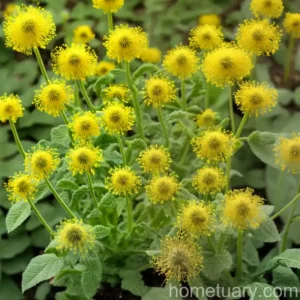
Malcolmia africana, also known as African mustard, is a flowering plant species that belongs to the Brassicaceae family. This hardy annual or biennial plant is native to the Mediterranean region and is widely distributed throughout Africa, Asia, and Europe. In botanical terms, it is characterized by its erect, branched stem, deeply lobed leaves, and small, fragrant flowers that vary in color from white to lilac.
Key Takeaways – African Mustard (Malcolmia africana)
- Scientific Name: Malcolmia africana
- Common Name: African Mustard
- Family: Brassicaceae
- Habitat: Native to the Mediterranean region, widespread in Africa, Asia, and Europe
- Uses: Culinary, medicinal, and ornamental
- Growth Habits: Hardy annual or biennial, erect, branched stem, deeply lobed leaves, fragrant flowers
Culture
Understanding the cultural requirements of African mustard is essential for successful cultivation. This includes considerations such as water, sunlight, fertilizer, soil, and pruning.
Water
African mustard plants have moderate water requirements. While they can tolerate dry conditions, they thrive in well-drained soil with regular watering. It is important to avoid overwatering, as this can lead to root rot and other issues.
Sunlight
These plants prefer full sun to partial shade. Adequate sunlight is crucial for promoting healthy growth and abundant flower production.
Fertilizer
When it comes to fertilizer, African mustard benefits from a balanced, all-purpose fertilizer applied during the growing season. It is important to follow the recommended application rates to prevent overfertilization.
Soil
African mustard thrives in well-drained, fertile soil with a slightly acidic to neutral pH. Amending the soil with organic matter can help improve its structure and fertility.
Pruning
Pruning African mustard plants can help maintain their shape and encourage bushier growth. Deadheading spent flowers can also prolong the blooming period.
Uses
African mustard has a wide range of uses, including culinary, medicinal, and ornamental applications.
Culinary Uses
In culinary traditions, African mustard leaves and flowers are used as a flavorful addition to salads, soups, and various dishes. The young leaves have a mild, peppery taste, making them a popular choice for fresh consumption.
Medicinal Properties
In traditional medicine, African mustard has been used for its medicinal properties. It is believed to have anti-inflammatory, antimicrobial, and antioxidant effects, and is used in various herbal remedies.
Ornamental Value
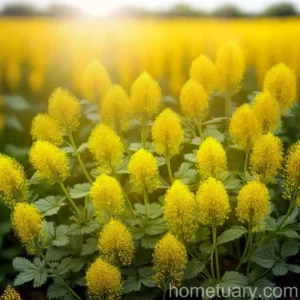
African mustard’s delicate, fragrant flowers make it a charming addition to ornamental gardens. Its long-lasting blooms and attractive foliage contribute to its appeal as a decorative plant.
Propagation
African mustard can be propagated from seeds or cuttings. Understanding the propagation techniques is essential for expanding the plant’s population and ensuring its continued presence in gardens and landscapes.
Seed Propagation
Propagating African mustard from seeds is relatively straightforward. Seeds can be sown directly into the garden soil or started indoors and later transplanted. It is important to provide the appropriate growing conditions for successful germination and establishment.
Cuttings
Propagation from cuttings can also be successful with African mustard. Taking stem cuttings from established plants and providing them with appropriate rooting conditions can result in new, genetically identical plants.
Container Popularity
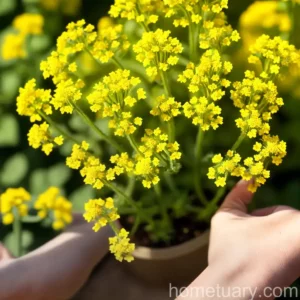
The versatility and adaptability of African mustard make it well-suited for container gardening. Its compact size and attractive flowers make it an appealing choice for various container designs and arrangements.
Container Gardening Tips
When growing African mustard in containers, it is important to select a well-draining potting mix and appropriately sized containers. Regular watering and fertilization are crucial for maintaining healthy growth in containers.
Landscape Ideas
In addition to container gardening, African mustard can be used as a charming, low-maintenance addition to landscapes and gardens. Its tolerance to dry conditions makes it suitable for xeriscapes and waterwise gardens.
Common Diseases
African mustard, like any plant, is susceptible to certain diseases and pests. Understanding the common diseases and their management is crucial for maintaining plant health.
Disease Diagnosis
Common diseases that may affect African mustard include fungal infections, such as powdery mildew and downy mildew, as well as bacterial and viral diseases. Proper diagnosis of the specific symptoms and timely intervention are essential for managing these diseases effectively.
Common Pests
In addition to diseases, African mustard can be affected by various pests. Identifying and managing these pests is important for preventing damage to the plants.
Pest Control
Common pests that may affect African mustard include aphids, caterpillars, and flea beetles. Integrated pest management techniques, such as biological controls and targeted interventions, can help effectively manage pest infestations.
Botanist’s Tips
As a plant scientist, I would like to share some tips for successfully growing and enjoying African mustard in gardens and landscapes:
- Soil Requirements: Ensure well-drained, fertile soil with a slightly acidic to neutral pH for optimal growth.
- Sun Exposure: Provide full sun to partial shade to promote healthy growth and flower production.
- Water Needs: Water the plants moderately, avoiding overwatering to prevent root rot and other issues.
- Cultural Significance: Explore the cultural and traditional uses of African mustard for a deeper appreciation of its value.
Fun Facts
As we delve into the world of African mustard, it’s fascinating to uncover some fun and interesting facts about this versatile plant:
- African mustard has a long history of traditional uses in various cultures, including culinary and medicinal applications.
- The plant’s delicate flowers attract pollinators such as bees and butterflies, contributing to biodiversity in garden ecosystems.
- Different varieties of African mustard exhibit varying flower colors, from white to lilac, adding to their ornamental appeal.
Links to External Resources
To further explore the world of African mustard and expand your knowledge, check out the following links to external resources:
- African Mustard: A Versatile Plant for Gardens and Landscapes
- Culinary Uses of African Mustard: Exploring Flavorful Possibilities
- Medicinal Properties of African Mustard: Traditional Uses and Modern Research
- Ornamental Gardening with African Mustard: Enhancing Landscape Beauty
By integrating these external resources into your learning journey, you can gain a deeper understanding of African mustard and its diverse roles in horticulture, cuisine, and traditional practices. Whether you are a gardening enthusiast, culinary aficionado, or botany enthusiast, African mustard offers an array of opportunities for exploration and appreciation.
In conclusion, African mustard (Malcolmia africana) stands out as a versatile plant with a rich heritage of uses and cultural significance. From its culinary and medicinal applications to its ornamental value in landscapes, this resilient plant embodies resilience, beauty, and practicality. By understanding the key aspects of its cultivation, uses, and management, we can fully appreciate and celebrate the unique contributions of African mustard to the world of plants and gardening.