Water-chestnut (Eleocharis Dulcis): A Comprehensive Guide
Plants have been an integral part of human existence for centuries, providing sustenance, wellness, and beauty. One such plant is the water-chestnut (Eleocharis Dulcis), a remarkable aquatic plant that has both cultural and culinary significance. This comprehensive guide will explore the cultivation, care, uses, and fascinating aspects of the water-chestnut along with essential tips for maintaining and propagating this remarkable plant.
What is Water-chestnut (Eleocharis Dulcis)?
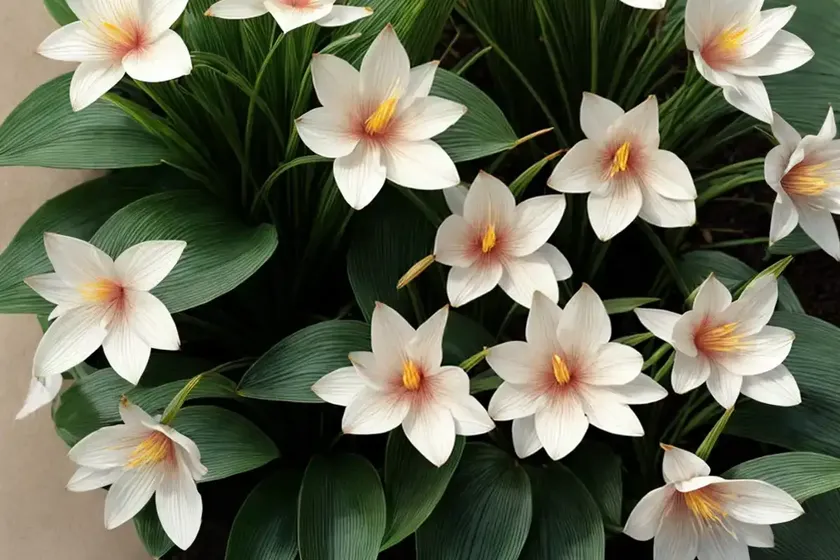
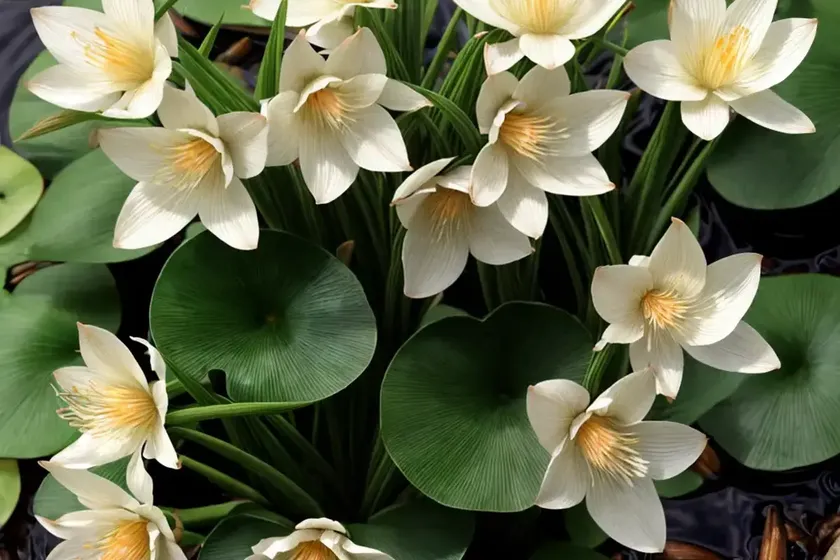
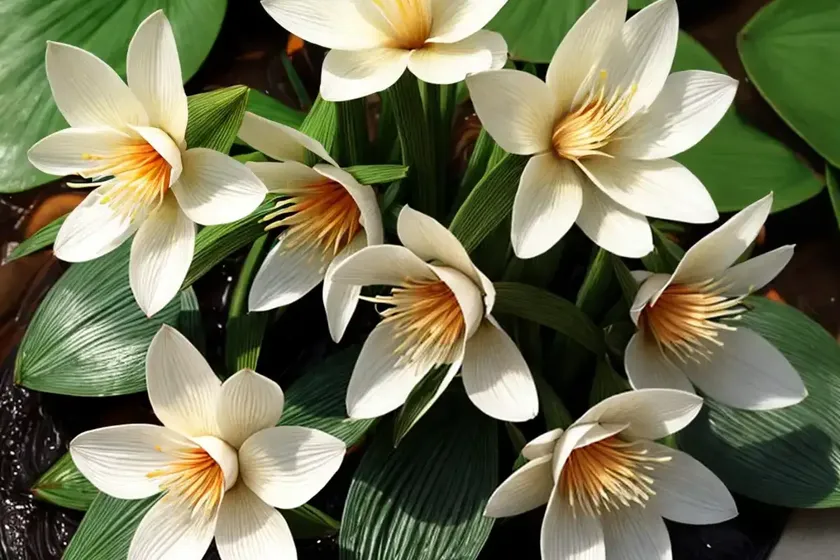
Water-chestnut, scientifically known as Eleocharis Dulcis, is a perennial aquatic plant native to Asia and fondly referred to as ‘singhara.’ This plant thrives in freshwater habitats such as marshes, ponds, and slow-moving streams and is distinguished by its characteristic triangular stems and narrow, strap-like leaves. The plant is part of the sedge family Cyperaceae and produces edible corms, making it highly valued in various culinary traditions.
Key Takeaways – Water-chestnut (Eleocharis Dulcis)
Here are the key takeaways from this comprehensive guide on Eleocharis Dulcis:
- Water: The water-chestnut flourishes in freshwater environments such as ponds and marshes.
- Sunlight: It requires ample sunlight for robust growth and corm development.
- Uses: Its edible corms hold both cultural and culinary significance.
- Soil: Thrives in muddy or silty soil.
- Pruning: Minimal to no pruning is required.
- Propagation: Can be propagated through division or seeds.
- Container: Suitable for growing in containers.
- Common Diseases: Susceptible to fungal and bacterial infections.
- Common Pests: Prone to attack by aphids and caterpillars.
- Botanist’s Tips: Regular harvesting is essential to maintain plant health and to control invasiveness.
Culture
Water
Water-chestnuts are well adapted to aquatic environments, thriving in still or slow-moving freshwaters. They prefer shallow waters with a depth ranging from 1 to 4 meters. The water should be clear and free from pollutants, ensuring optimal conditions for the growth and development of the plant and its corms. Adequate water circulation is essential to prevent stagnation and to ensure the supply of oxygen to the plant’s submerged parts.
Sunlight
Like most plants, water-chestnuts require sunlight for photosynthesis and overall growth. They thrive in full sun and should ideally receive 6 to 8 hours of direct sunlight daily. Insufficient sunlight may result in stunted growth and reduced corm yields. Therefore, when selecting a location for planting water-chestnuts, it is crucial to ensure that the chosen area receives an adequate amount of sunlight.
Soil
Water-chestnuts prefer muddy or silty soil, thriving in the soft substrate typically found in freshwater bodies such as ponds and marshes. The soil should be rich in organic matter and have a slightly acidic to neutral pH, ranging between 6.0 and 7.5. Adequate soil fertility is essential for the vigorous growth of the plant and the development of healthy corms.
Uses
Culinary Significance
One of the most noteworthy uses of water-chestnuts is their culinary importance. The corms of Eleocharis Dulcis are consumed in various cultures and are known for their crisp texture and mildly sweet flavor. These corms are a common ingredient in Asian cuisines, often featuring in stir-fries, salads, and desserts. They are prized for their crunchy consistency, adding a unique element to diverse culinary creations.
Cultural Significance
In addition to its culinary uses, water-chestnuts hold cultural significance in various societies, often associated with traditional festivals and rituals. The plant’s corms are utilized in religious ceremonies and festivals, symbolizing fertility, prosperity, and purity in many cultural contexts. Water-chestnuts are deeply rooted in the cultural heritage of several Asian countries, making them an essential component of local traditions and customs.
Fertilizer
Water-chestnuts require minimal fertilization, as they are well adapted to nutrient-rich aquatic environments. However, in cases where the natural fertility of the water bodies is insufficient, organic fertilizers can be applied to enhance the growth and productivity of the plants. It is important to select fertilizers specifically formulated for aquatic plants to avoid harming the delicate aquatic ecosystem.
Pruning
Pruning requirements for water-chestnuts are minimal. However, removing any decaying or yellowing foliage can help maintain the plant’s overall health and aesthetics. Pruning may also be necessary to control the spread of the plant, especially in contained aquatic environments, to prevent overgrowth and overcrowding.
Propagation
Division
Water-chestnuts can be propagated through division, a process commonly undertaken during the dormant season. To propagate through division, carefully separate the rhizomes, ensuring that each divided section has viable roots and shoots. These divisions can then be replanted in suitable aquatic environments, where they will establish themselves and develop into mature plants, producing corms in due course.
Seeds
Propagation via seeds is another viable method for expanding water-chestnut populations. The seeds can be collected from mature plants and subsequently sown in prepared aquatic beds. Adequate water depth and regular monitoring of seedling growth are essential for successful establishment. Seed propagation is particularly useful for expanding water-chestnut populations in new or rehabilitated aquatic habitats.
Container Cultivation
Water-chestnuts can be successfully cultivated in containers, making them a versatile option for individuals with limited outdoor space. When growing in containers, it is crucial to select spacious, watertight containers to accommodate the plant’s vigorous growth and spreading habit. Regular watering and adequate sunlight are essential for container-grown water-chestnuts, ensuring optimal conditions for corm development.
Common Diseases
Water-chestnuts are susceptible to various diseases that can impact their growth and productivity. Common diseases affecting Eleocharis Dulcis include:
- Fungal Infections: Fungi such as Pythium and Phytophthora can cause rotting of the corms and roots, leading to the decline of the plant.
- Bacterial Diseases: Bacterial infections, including soft rot and bacterial blight, can affect the plant’s health and vitality, manifesting as discoloration and decay of plant tissues.
Early detection and prompt intervention are crucial in managing these diseases, often requiring the application of appropriate fungicides and bactericides specifically formulated for aquatic plants.
Disease Diagnosis
Diagnosing diseases in water-chestnuts requires careful observation of the plant’s foliage, stems, and corms. Symptoms such as discoloration, wilting, and decay can indicate the presence of pathogens. Additionally, conducting a thorough examination of the roots and rhizomes can provide valuable insights into the plant’s health. In cases of suspected disease infestation, seeking the expertise of a plant pathologist or an experienced horticulturist is advisable to accurately diagnose the issue and implement effective disease management strategies.
Common Pests
Water-chestnuts are vulnerable to pest infestations that can impact their growth and corm yield. Common pests that may affect Eleocharis Dulcis include:
- Aphids: These small, sap-sucking insects can cause damage to the plant’s foliage, leading to wilting and deformities.
- Caterpillars: Certain caterpillar species may feed on the leaves and stems of water-chestnuts, potentially causing defoliation and reduced photosynthetic capacity.
Implementing appropriate pest management measures, such as the use of natural predators or targeted insecticides, can help protect water-chestnuts from pest-related damage.
Botanist’s Tips
- Regular Harvesting: Regular harvesting of mature corms is essential to prevent overcrowding and enhance the overall health of the water-chestnut beds. It also helps in controlling the spread of the plant and promotes optimal corm development.
- Monitoring Invasive Spread: Due to its vigorous growth habit, water-chestnuts have the potential to become invasive in some environments. Close monitoring and proactive management can help prevent the excessive spread of the plant, preserving the ecological balance of the aquatic habitats.
Fun Facts
- The corms of water-chestnuts are encased in a spiky, bulbous husk, resembling the appearance of a chestnut, from which the plant derives its common name.
- Water-chestnuts are an excellent source of essential nutrients, including carbohydrates, fiber, and various vitamins and minerals, contributing to their culinary and nutritional significance.
Links to External Resources
For further information and resources on water-chestnuts, explore the following links:
- Water Chestnut Cultivation
- Eleocharis Dulcis Care Tips
- Growing Water Chestnut Plants
- Benefits of Eleocharis Dulcis
- Water Chestnut Plant Varieties
- Eleocharis Dulcis Pest Control
- Propagating Water Chestnut
- Tips for Harvesting Eleocharis Dulcis
- Water Chestnut Planting Guide
Continue exploring the above resources to deepen your understanding of water-chestnuts and their cultivation, care, and utilization.
Water-chestnuts, with their cultural significance, culinary versatility, and ecological adaptability, continue to captivate plant enthusiasts and conservationists alike. Whether grown for their culinary appeal or their potential in ecological restoration, Eleocharis Dulcis stands as a testament to the diverse roles that plants play in our lives and ecosystems. By understanding and appreciating the remarkable attributes of water-chestnuts, we can further enhance our connection with nature and the plant kingdom as a whole.