Pothos ‘Manjula’ (Epipremnum Aureum ‘Manjula’): A Complete Guide to Care and Cultivation
Welcome to another plant care guide! This time, we’re delving into the world of the stunning Pothos ‘Manjula,’ scientifically known as Epipremnum Aureum ‘Manjula.’ This popular trailing houseplant has garnered a dedicated following for its striking variegated foliage and ease of care. Whether you’re an experienced plant enthusiast or a beginner looking to add some greenery to your space, this comprehensive guide will provide you with all the essential information you need to grow and maintain a healthy and flourishing Pothos ‘Manjula.’
What is Pothos ‘Manjula’ (Epipremnum Aureum ‘Manjula’)?
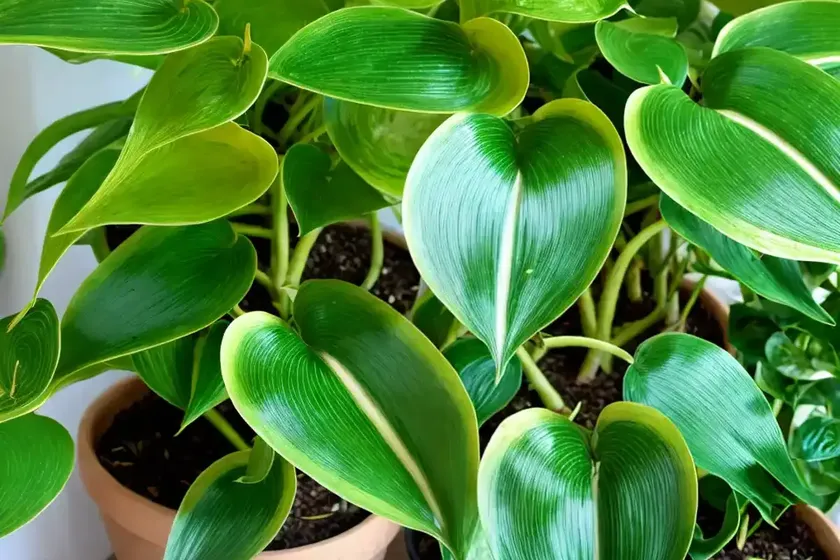
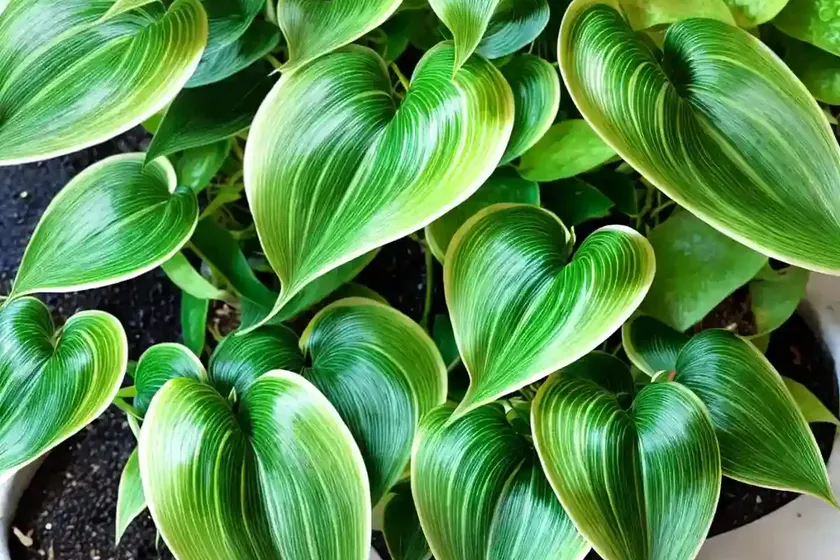
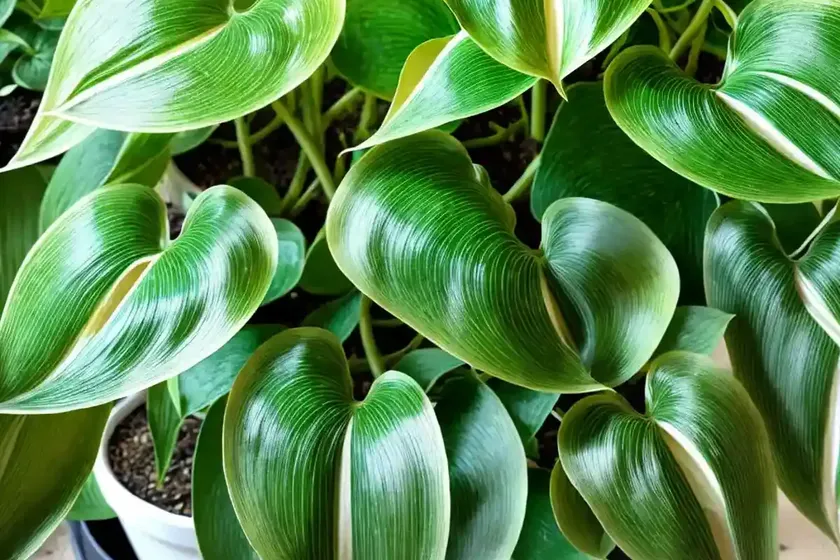
Pothos ‘Manjula’ is a cultivar of the species Epipremnum Aureum, commonly known as Pothos or Devil’s Ivy. It is a tropical vine native to the Solomon Islands and has become a popular choice for indoor plant enthusiasts due to its low maintenance requirements and attractive foliage. The ‘Manjula’ variety is highly sought after for its unique variegation, featuring heart-shaped leaves with shades of green, silver, and creamy white.
This variety is particularly valued for its versatility, as it can thrive in various indoor conditions and is known for its air-purifying properties. Whether placed on a high shelf, in a hanging basket, or allowed to trail down from a bookshelf, Pothos ‘Manjula’ adds a touch of natural elegance to any indoor space.
So, let’s explore the key aspects of caring for this beautiful plant, including its cultural requirements, propagation methods, common diseases and pests, and essential tips from botanists.
Key Takeaways – Pothos ‘Manjula’ (Epipremnum Aureum ‘Manjula’)
Before we dive deep into the specifics of caring for Pothos ‘Manjula,’ let’s outline the key takeaways that will guide us through our exploration:
- Cultural Requirements: Understanding the optimal conditions for the growth and health of Pothos ‘Manjula.’
- Propagation: Exploring the methods for propagating new plants from cuttings.
- Container Gardening: Selecting suitable containers and understanding the plant’s adaptability to different pot sizes.
- Common Diseases and Pests: Identifying and addressing potential issues that may affect the health of the plant.
- Botanist’s Tips: Benefiting from expert advice on caring for Pothos ‘Manjula.’
- Fun Facts: Discovering interesting and lesser-known aspects of this beautiful plant.
Now, let’s embark on our journey to unravel the secrets of nurturing a thriving Pothos ‘Manjula.’
Culture
Water
Proper watering is crucial for the health of Pothos ‘Manjula.’ This plant thrives in moderately moist soil, but it’s essential to allow the top inch of the soil to dry out between watering sessions. Overwatering can lead to root rot, which can significantly impact the plant’s health. On the other hand, allowing the soil to become bone dry for extended periods can cause stress to the plant.
A useful technique for determining the watering needs of Pothos ‘Manjula’ is to observe the condition of the leaves. If the leaves are drooping and the soil is dry, it’s a sign that the plant requires watering. However, if the leaves appear yellow or translucent, it may indicate overwatering, and the frequency of watering should be reduced.
Sunlight
Pothos ‘Manjula’ is adaptable to various lighting conditions, making it an excellent choice for indoor spaces with limited natural light. While this plant can tolerate low light, it thrives in medium to bright indirect sunlight. Placing it near a north or east-facing window where it can receive gentle, filtered sunlight is ideal for promoting healthy growth and maintaining the vibrant colors of its variegated leaves.
Avoid exposing Pothos ‘Manjula’ to direct sunlight, particularly during the intense midday hours, as it can lead to leaf scorching. If growing the plant in a low-light environment, consider supplementing with artificial grow lights to ensure it receives an adequate amount of light for photosynthesis.
Fertilizer
Regular fertilization is essential for encouraging robust growth and vibrant foliage in Pothos ‘Manjula.’ During the growing season, which typically spans from spring to early fall, consider applying a balanced, water-soluble fertilizer at half-strength every 4-6 weeks. This will provide the plant with the necessary nutrients without risking fertilizer burn, which can occur if the concentration is too high.
In contrast, reduce the frequency of fertilization during the winter months when the plant’s growth slows down. A good practice is to observe the plant’s response to the fertilizer and adjust the feeding schedule based on its needs.
Soil
Well-draining potting soil is essential for Pothos ‘Manjula.’ A high-quality, peat-based potting mix with added perlite or coarse sand is suitable for ensuring proper drainage and preventing waterlogged conditions. Furthermore, the soil should retain some level of moisture while allowing excess water to escape readily, maintaining an optimal balance for the plant’s root system.
When repotting, consider choosing a container that provides adequate drainage holes and promotes airflow to the roots. Repotting every 2-3 years or when the plant outgrows its current container is recommended to provide fresh soil and space for continued growth.
Pruning
Regular pruning is beneficial for maintaining the shape and overall health of Pothos ‘Manjula.’ Trimming away leggy or discolored stems not only contributes to the plant’s aesthetics but also encourages the growth of new foliage. Additionally, pruning is an effective method for controlling the plant’s size, making it suitable for both trailing down from a hanging basket or climbing a support structure.
When pruning, use clean, sharp scissors or pruning shears to make precise cuts, and consider propagating the cuttings to expand your Pothos ‘Manjula’ collection or share with fellow plant enthusiasts.
Propagation
The propagation of Pothos ‘Manjula’ is relatively straightforward and can be accomplished through stem cuttings. To propagate a new plant, follow these simple steps:
- Select a healthy stem with at least two leaves and a node (the point on the stem where the leaves emerge).
- Use clean scissors or pruning shears to make a clean cut just below a node, ensuring the cutting is 4-6 inches in length.
- Remove the lower leaves from the cutting, leaving 1-2 leaves at the top to harness energy for root development.
- Place the cutting in a jar of room temperature water, ensuring that the lower nodes are submerged while the upper leaves remain above the water surface.
- Position the jar in a warm, brightly lit area, changing the water regularly to prevent stagnation and ensure oxygen levels are maintained.
- After 4-6 weeks, roots should begin to develop from the nodes, signaling that the cutting is ready to be potted in a suitable growing medium.
Container Popularity
The versatility of Pothos ‘Manjula’ makes it an ideal candidate for various container gardening arrangements. From hanging baskets to decorative pots on shelves or desks, this plant can adapt to different containers, adding a touch of greenery to any indoor space.
When choosing a container for Pothos ‘Manjula,’ consider the following factors:
- Drainage: Ensure that the container has drainage holes to prevent water accumulation at the bottom, which can lead to root rot.
- Size: Select a container that accommodates the size of the plant, with enough room for the roots to grow without being excessively constricted.
- Aesthetics: Choose a container that complements the decor of the space while allowing the plant to shine as a natural accent.
Common Diseases and Pest
Disease Diagnosis
Pothos ‘Manjula’ is typically resistant to most diseases, but certain conditions can lead to potential issues that require attention:
-
Root Rot: Overwatering and poorly draining soil can cause root rot, characterized by wilting, yellowing leaves, and a foul odor emanating from the soil. To address this issue, adjust the watering frequency, and consider repotting the plant in fresh, well-draining soil.
-
Leaf Spot: This fungal disease manifests as dark, water-soaked spots on the leaves, leading to yellowing and eventual leaf drop. Ensure proper air circulation around the plant and avoid overhead watering, as the splashing water can contribute to the spread of the fungus.
Common Pests
Pothos ‘Manjula’ may occasionally encounter pests, but these can typically be managed with proper care and timely intervention:
-
Spider Mites: These tiny pests can infest the undersides of the leaves, causing stippling and webbing. Remove the pests by gently wiping the leaves with a damp cloth and consider using neem oil or insecticidal soap to control their population.
-
Mealybugs: Mealybugs are small, white, cottony pests that tend to cluster in the leaf axils and along the stems. Use a cotton swab dipped in rubbing alcohol to remove these pests, and monitor the plant regularly to prevent their resurgence.
Regularly inspecting the foliage for any signs of pest activity and promptly addressing any issues can help maintain the overall health of Pothos ‘Manjula.’
Botanist’s Tips
To ensure the optimal growth and well-being of Pothos ‘Manjula,’ consider incorporating the following tips into your plant care routine:
-
Observation: Regularly observe the plant for any signs of stress, such as wilting leaves, discoloration, or pest infestations. This proactive approach can help you address issues before they escalate.
-
Cleanliness: Keep the leaves of Pothos ‘Manjula’ free from dust and debris by gently wiping them with a damp cloth. This not only enhances the plant’s appearance but also promotes better photosynthesis.
-
Support and Training: If you desire a more upright growth habit, consider providing a small trellis or moss pole for the plant to climb. Training the vines can create an aesthetically pleasing display while encouraging compact growth.
-
Air Quality: Place Pothos ‘Manjula’ in areas with stagnant air, such as near electronic equipment, to help improve air quality by absorbing volatile organic compounds (VOCs) and airborne pollutants.
Fun Facts
As we conclude our exploration of Pothos ‘Manjula,’ let’s uncover some captivating and lesser-known facts about this captivating plant:
- Symbolism: Pothos, including the ‘Manjula’ variety, is often associated with good luck and prosperity, making it a popular choice for gifting to friends and loved ones as a gesture of goodwill.
- Variegation Origins: The variegated foliage of Pothos ‘Manjula’ is a result of a genetic mutation, with each leaf displaying a unique pattern of green, silver, and white. This unique trait has contributed to its widespread popularity among plant enthusiasts.
- Versatile Growing Conditions: Pothos ‘Manjula’ can thrive in a broad range of conditions, making it an excellent choice for beginner plant enthusiasts and seasoned collectors alike. Its adaptability to various light levels and watering regimes has earned it a reputation for resilience and longevity in indoor environments.
Links to External Resources
To further enhance your knowledge and appreciation of Pothos ‘Manjula,’ here are some valuable external resources that offer in-depth information and insights into caring for this beautiful plant:
- University of Florida – Epipremnum Aureum (Golden Pothos) Link
- Missouri Botanical Garden – Epipremnum Aureum ‘Manjula’ Link
- Royal Horticultural Society – Growing Pothos Link
And that concludes our comprehensive guide to caring for Pothos ‘Manjula.’ By following the outlined cultural requirements, addressing common diseases and pests, and incorporating expert tips, you can nurture a flourishing and visually striking Pothos ‘Manjula’ in your indoor space. Whether adorning a hanging basket, trailing from a shelf, or climbing a trellis, this versatile plant is sure to bring an enduring touch of natural beauty to your home.
Remember, patience, attentiveness, and a touch of botanical curiosity are the keys to fostering a thriving Pothos ‘Manjula’ and embarking on a rewarding journey of plant care and appreciation.
Happy gardening!