Origanum dictamnus (Dittany of Crete)
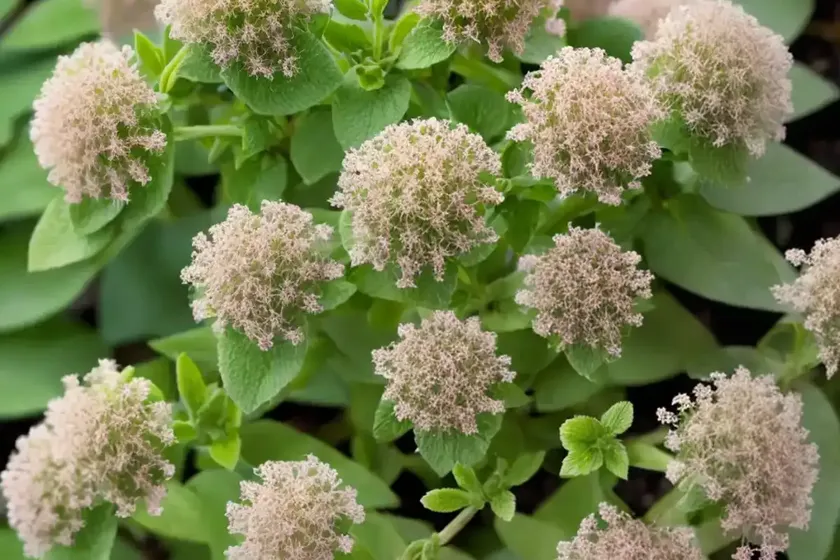
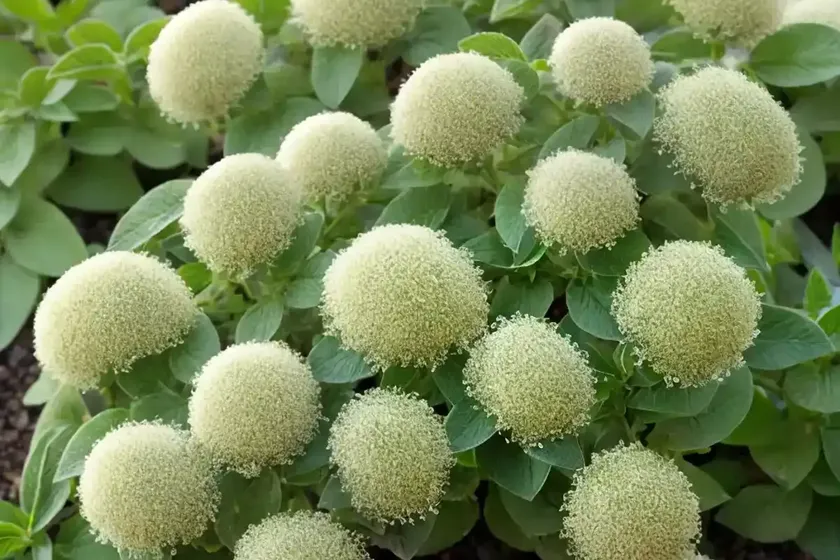
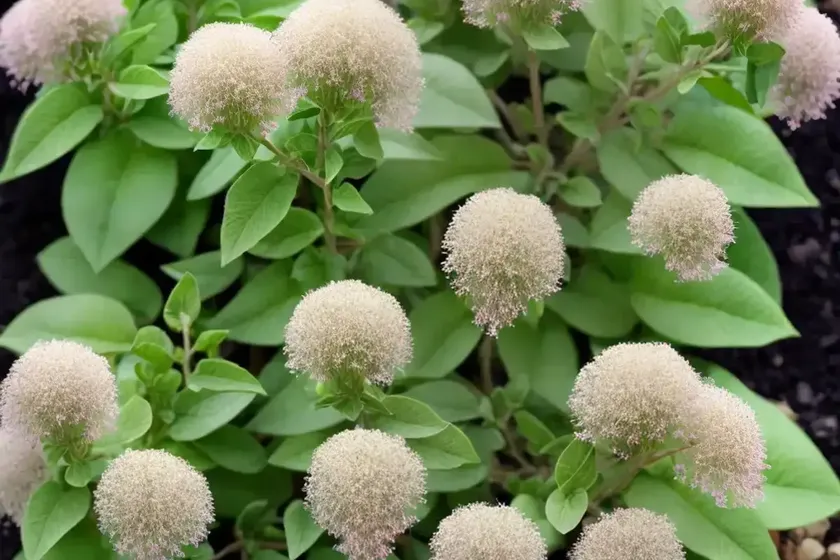
Origanum dictamnus, also known as Dittany of Crete, is a captivating and versatile plant originating from the stunning island of Crete, Greece. This perennial herb belongs to the Lamiaceae family and is highly valued for its cultural significance, culinary uses, and medicinal properties. Join me as we explore the enchanting world of Origanum dictamnus, delving into its cultural significance, growth requirements, and various applications in our daily lives.
Key Takeaways
Before we delve deeper into the intricacies of Origanum dictamnus, let’s take a glance at the key takeaways of this remarkable plant.
- Botanical Name: Origanum dictamnus
- Common Names: Dittany of Crete, Cretan dittany, and Crete herb
- Family: Lamiaceae
- Cultural Significance: Traditional folklore tales and medicinal herb in Greek culture
- Uses: Culinary, medicinal, and ornamental
- Growth Requirements: Well-draining soil, ample sunlight, and minimal water requirements
- Propagation: Seeds, cuttings, or division
- Container Popularity: Well-suited for container gardening
- Common Diseases: Fungal infections and root rot
- Common Pests: Aphids and spider mites
- Botanist’s Tips: Prune regularly for bushier growth and harvest leaves for culinary and medicinal uses
- External Resources: Links to reputable sources for further exploration
Now that we have a brief overview, let’s embark on our journey to unravel the captivating world of Origanum dictamnus.
What is Origanum dictamnus?
Origanum dictamnus, commonly known as Dittany of Crete, is a perennial herbaceous plant indigenous to the island of Crete, Greece. Its botanical name “Origanum” derives from the Greek words “oros” and “ganos,” translating to “mountain joy,” an apt description of its natural habitat and cultural significance in Greek folklore. This charismatic plant has been a symbol of beauty, vitality, and healing for centuries and continues to captivate plant enthusiasts, chefs, and herbalists across the globe.
Cultural Significance
In the rich tapestry of Cretan folklore, Origanum dictamnus holds a revered position, being celebrated for its mystical properties and traditional medicinal uses. According to Greek mythology, Dittany of Crete was considered a potent herb with supernatural powers, often associated with the goddess of hunting, Artemis. The plant’s association with ancient beliefs and its prominent role in Greek herbal medicine have contributed to its enduring cultural significance on the island of Crete.
Medicinal Uses
Origanum dictamnus has been deeply ingrained in traditional Greek herbal medicine, treasured for its wide array of medicinal properties. The plant is revered for its purported anti-inflammatory, antibacterial, and digestive benefits. In traditional practices, it was used to alleviate digestive discomfort, treat respiratory ailments, and promote general well-being. Furthermore, Dittany of Crete is associated with symbolic and spiritual connotations and is believed to possess mystical qualities that foster courage and healing.
Culture
Water
Origanum dictamnus thrives in well-draining soil and is remarkably resilient to drought conditions. As such, it requires minimal watering, especially during the hotter months. Overwatering can lead to root rot and compromise the plant’s overall health. It is essential to allow the soil to dry out between watering sessions to prevent waterlogged conditions.
Sunlight
For optimal growth and development, Origanum dictamnus demands ample sunlight. It flourishes in bright, full sunlight and is well-suited for outdoor cultivation in regions with a Mediterranean climate. When grown in containers, it is crucial to position the plant in a location that receives at least 6-8 hours of direct sunlight daily.
Fertilizer
Moderate fertilization is beneficial for promoting healthy growth in Origanum dictamnus. A balanced, organic fertilizer applied during the growing season can provide essential nutrients to support the plant’s vigor. However, excessive fertilization should be avoided, as it can lead to lush foliage at the expense of essential oil production and flavor concentration in culinary varieties.
Soil
Origanum dictamnus thrives in well-draining, rocky soil with a slightly alkaline pH. It is well-adapted to impoverished soils, typical of its natural habitat in the rocky terrains of Crete. When cultivating Dittany of Crete in containers, a well-draining potting mix enriched with perlite or coarse sand is ideal for replicating its preferred soil conditions.
Pruning
Regular pruning is essential for maintaining the compact, bushy growth habit of Origanum dictamnus. Pruning encourages new growth, enhances airflow around the plant, and prevents the development of leggy or straggly stems. It is advisable to prune the plant after the flowering period to maintain its aesthetic appeal and to collect the aromatic leaves for culinary and medicinal uses.
Propagation
Origanum dictamnus can be propagated through seeds, cuttings, or division. When propagating from seeds, it is recommended to start them indoors and transplant the seedlings into the garden or larger containers once they have developed several sets of true leaves. Additionally, stem cuttings taken in the spring or early summer can be successfully rooted in well-draining soil to propagate new plants.
Container Popularity
Origanum dictamnus is well-suited for container gardening, making it an excellent choice for urban gardeners and individuals with limited outdoor space. The plant’s compact growth habit and resilience to dry conditions render it an attractive option for cultivating in containers on balconies, patios, and windowsills.
When selecting a container for Dittany of Crete, choose a pot with adequate drainage holes to prevent waterlogging. Additionally, opting for a slightly larger container than the current root system allows room for expansion and promotes healthy growth.
Common Diseases
Origanum dictamnus is susceptible to fungal diseases, particularly in humid or poorly ventilated conditions. Powdery mildew and root rot can pose significant challenges to the plant’s health and vitality if left unchecked. Therefore, it is crucial to maintain good airflow around the plant and avoid overhead watering to mitigate the risk of fungal infections.
Disease Diagnosis
Diagnosing diseases in Origanum dictamnus involves careful observation of the plant for any signs of discoloration, wilting, or powdery residue on the leaves. If any symptoms are detected, prompt action is necessary to prevent the spread of the disease. Implementing cultural practices such as adjusting watering methods, improving airflow, and maintaining proper spacing between plants can aid in disease prevention.
Common Pests
Despite its robust nature, Origanum dictamnus can fall prey to common garden pests such as aphids and spider mites. These pests can inflict damage to the plant by sucking sap from the foliage, leading to stunted growth and weakening of the plant. Regular monitoring of the plant and the application of insecticidal soap or neem oil can effectively mitigate pest infestations and preserve the plant’s health.
Botanist’s Tips
As a botanist’s tip, consider the following recommendations for cultivating and caring for Origanum dictamnus:
- Harvest leaves for culinary and medicinal uses after the dew has evaporated in the morning to capture the essential oils at their peak concentration.
- Prune the plant regularly to promote bushier growth and a more compact habit.
- Ensure proper airflow around the plant to minimize the risk of fungal diseases.
- Incorporate aged compost into the soil during the planting stage to provide essential nutrients and improve soil structure.
Fun Facts
To enrich our understanding and appreciation for Origanum dictamnus, let’s explore some intriguing fun facts about Dittany of Crete:
- Origanum dictamnus has been a revered symbol in Cretan folklore, associated with tales of courage, healing, and spiritual significance.
- The aromatic leaves of Dittany of Crete are prized for their culinary uses in traditional Cretan cuisine, adding a unique flavor to a variety of dishes.
- The plant’s resilient nature and adaptability make it a popular choice for xeriscaping and drought-tolerant gardens.
Links to External Resources
To further explore the captivating realm of Origanum dictamnus and expand your knowledge, consider delving into the following reputable resources:
- The Royal Horticultural Society (RHS)
- Missouri Botanical Garden
- The Herb Society of America
- American Society for Horticultural Science (ASHS)
- The National Gardening Association
In conclusion, Origanum dictamnus, the captivating Dittany of Crete, offers a treasure trove of cultural significance, culinary delights, and medicinal virtues. Its enduring presence in Greek folklore and traditional medicine continues to fascinate enthusiasts and scholars alike. Whether adorning gardens, gracing culinary creations, or serving as a source of herbal remedies, Dittany of Crete exemplifies the harmonious blend of beauty, utility, and cultural heritage embedded in the plant kingdom.
As we navigate the intricate tapestry of botanical wonders, may the allure of Origanum dictamnus inspire a deeper appreciation for the interwoven traditions, natural beauty, and hands-on cultivation that enrich our lives and connect us to the rich heritage of plant species around the world.