Advertisement

Advertisement

Advertisement

Myrtle-leaf Milkwort (Polygala Myrtifolia)

· · ⏰ 7 min read · 1,452 words
Disclosure: This post may contain affiliate links. If you purchase through these links, we may earn a small commission at no extra cost to you. We only recommend products we genuinely believe in. Learn more.
Home » Garden » Myrtle-leaf Milkwort (Polygala Myrtifolia)

Myrtle-leaf Milkwort (Polygala Myrtifolia): A Comprehensive Guide

Welcome to our comprehensive guide on the Myrtle-leaf Milkwort, scientifically known as Polygala Myrtifolia. In this detailed blog post, we will delve into every aspect of caring for and understanding the magnificent Myrtle-leaf Milkwort plant. From its cultural significance and uses to its ideal growing conditions, pruning, propagation, common diseases, and so much more, this guide has you covered. Whether you are a beginner or an experienced gardener, there is something here for everyone.

What is Myrtle-leaf Milkwort (Polygala Myrtifolia)?

The Myrtle-leaf Milkwort, a member of the Polygalaceae family, is an evergreen shrub native to South Africa. It is adored for its stunning blossoms that add vibrant color to gardens and landscapes. The plant’s botanical name, Polygala Myrtifolia, is derived from the ancient Greek words “poly” and “gala”, which translates to “much milk”. This name refers to the belief that consuming the roots of some species within the Polygala genus could increase milk production in lactating mothers.

Advertisement

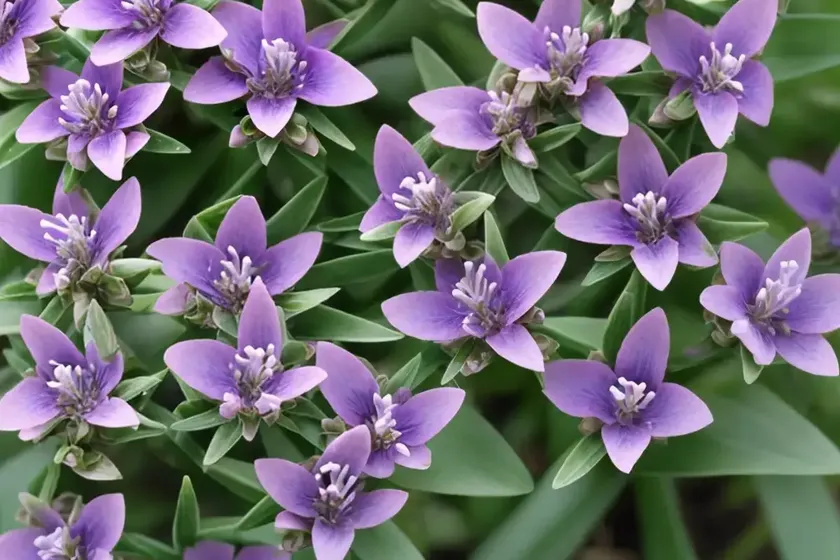
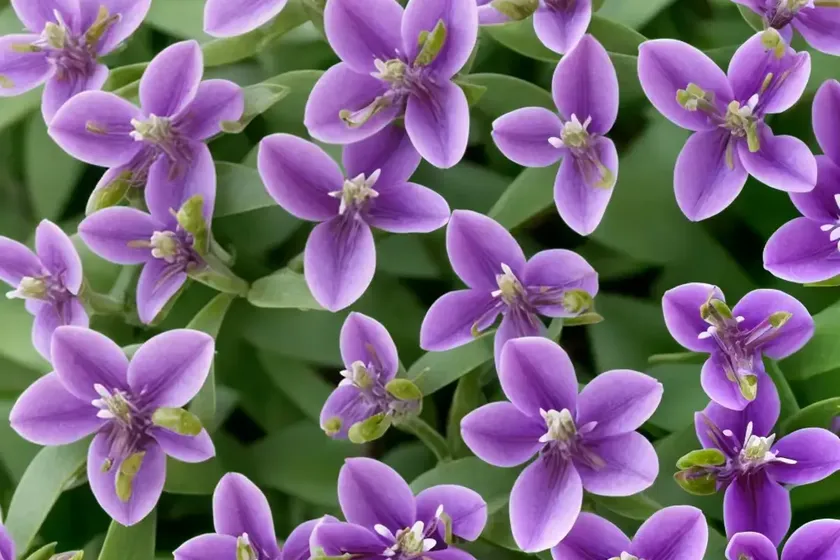
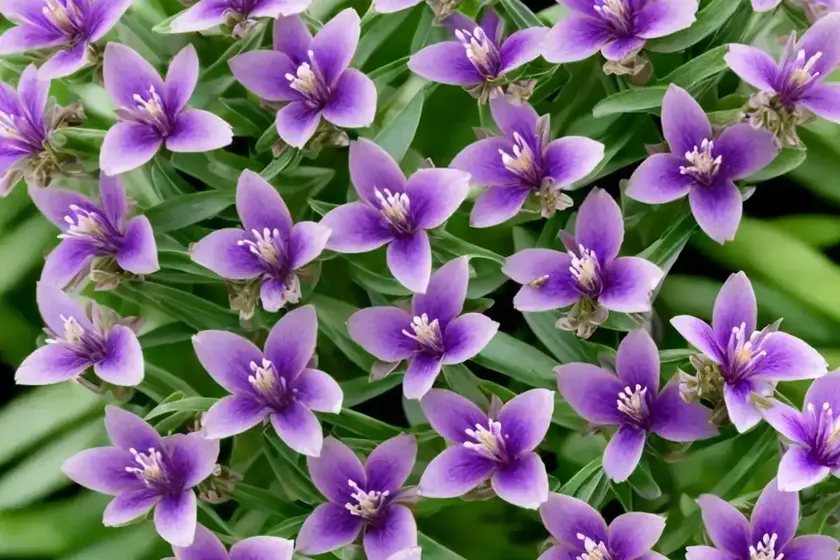
The Myrtle-leaf Milkwort is known for its beautiful, brightly colored flowers that resemble pea blossoms. The plant typically blooms in late winter or early spring but can also flower on and off throughout the year under the right conditions.

Key Takeaways – Myrtle-leaf Milkwort (Polygala Myrtifolia)

Here are the key points that we will be covering in this guide:

  • Cultural significance and historical uses
  • Ideal watering, sunlight, and soil conditions
  • Fertilization and pruning tips
  • Methods of propagation
  • Growing the Myrtle-leaf Milkwort in containers
  • Common diseases and pests
  • Important botanical tips
  • Fascinating fun facts
  • External resources for further exploration

Let’s dive into exploring the world of Myrtle-leaf Milkwort in detail.

Cultural Significance and Uses

The Myrtle-leaf Milkwort has been an important plant with various uses throughout history. It has cultural significance and has been utilized for both practical and medicinal purposes.

Culture

In South Africa, where it is native, the Myrtle-leaf Milkwort has cultural significance and is sometimes used in traditional medicine. The plant is also popular in landscaping and is often grown in gardens and parks for its ornamental value.

Uses

Aside from its ornamental uses, some traditional medicinal uses for certain Polygala species include treatments for coughs and colds, and it has been used as an expectorant. It has also been considered by some cultures to have properties to aid lactation. However, it is essential to note that the information regarding potential medicinal uses of Polygala plants should be approached with caution and verified by reliable sources before use.

Ideal Conditions for Polygala Myrtifolia

In this section, we will focus on the optimal conditions to ensure the healthy growth and well-being of the Myrtle-leaf Milkwort.

Water

The Myrtle-leaf Milkwort thrives with regular watering, especially during the growing season. However, it is important to allow the soil to dry out slightly between waterings to prevent root rot. During hot and dry periods, it may require more frequent watering, ensuring that the soil remains evenly moist but not waterlogged.

Sunlight

This plant flourishes in full sun to partial shade. It is best to provide it with at least 6 hours of sunlight per day for optimal growth and flowering. In hotter regions, providing some shade during the hottest part of the day can be beneficial.

Fertilizer

Fertilizing the Myrtle-leaf Milkwort can help maintain healthy growth and promote abundant flowering. Apply a balanced, slow-release fertilizer in spring to provide essential nutrients for the growing season. Be cautious not to over-fertilize, as excessive nutrients can lead to adverse effects on the plant’s health.

Soil

The Myrtle-leaf Milkwort prefers well-draining soil with a slightly acidic to neutral pH. A mix of standard potting soil, sand, and perlite can be an excellent choice for potted plants. In garden beds, ensure the soil is well-draining and rich in organic matter.

Pruning and Propagation

This section will highlight the significance of pruning and the methods of propagating the Myrtle-leaf Milkwort.

Pruning

Pruning is essential to maintain a tidy and healthy growth habit in the Myrtle-leaf Milkwort. Prune the plant after its flowering period to remove spent blossoms and encourage new growth. Additionally, you can lightly prune the shrub to shape it and remove any dead or damaged branches throughout the year.

Propagation

The Myrtle-leaf Milkwort can be propagated through various methods, including seed propagation and stem cuttings. Both methods can be successful, and the choice of propagation technique often depends on the resources available and personal preference.

Seed Propagation

  • Collect ripe seeds from the plant once the seed pods have dried and split open.
  • Sow the seeds in a well-draining seed-raising mix and lightly cover them with the mix.
  • Keep the soil consistently moist and place the pots in a warm, bright location.
  • Germination can take several weeks, and once the seedlings have developed true leaves, they can be transplanted into individual pots.

Stem Cuttings

  • Take 4-6 inch (10-15 cm) cuttings from healthy, non-flowering branches, ensuring they include at least two leaf nodes.
  • Remove the lower set of leaves and dip the end of the cutting in rooting hormone.
  • Plant the cuttings in a well-draining mix and keep the soil moist.
  • Place the cuttings in a warm, humid environment with bright, indirect light.
  • Once the cuttings have rooted, they can be potted into individual containers.

Growing Myrtle-leaf Milkwort in Containers

Growing the Myrtle-leaf Milkwort in containers can be a great option for those with limited garden space or for those who want to enjoy this beautiful plant on patios, balconies, or in indoor settings.

Container Popularity

The compact and ornamental nature of the Myrtle-leaf Milkwort makes it a popular choice for container gardening. Its vibrant flowers and evergreen foliage can bring a touch of color to any outdoor or indoor space.

Container Care

When growing Myrtle-leaf Milkwort in containers, it is essential to choose a well-draining potting mix and a container with drainage holes. Ensure the plant receives appropriate sunlight and water it as needed. Container-grown plants may require more frequent watering than those in garden beds, as the soil in containers can dry out faster.

Common Diseases and Pests

Understanding and being able to identify common diseases and pests that may affect the Myrtle-leaf Milkwort is crucial for maintaining its health and vigor.

Disease Diagnosis

The Myrtle-leaf Milkwort is generally resilient and not prone to serious disease issues. However, overwatering or poor air circulation can lead to fungal diseases, such as root rot or powdery mildew. To prevent these issues, ensure proper watering practices and good air circulation around the plant.

Common Pests

The plant may occasionally attract aphids, mealybugs, and scale insects. Regular inspections of the plant can help detect pest issues early. In the case of infestations, insecticidal soaps or horticultural oils can be effective for controlling these pests while minimizing harm to beneficial insects.

Botanist’s Tips

Experienced plant enthusiasts can often provide valuable tips and insights into caring for specific plants. Here are a few expert tips for growing and caring for the Myrtle-leaf Milkwort:

  • Encourage bushy growth and prolific flowering by lightly pruning the plant after each flowering cycle.
  • Keep an eye on the plant for any signs of pests or diseases and address them promptly to prevent widespread issues.
  • Do not overwater the plant, as it is susceptible to root rot in waterlogged conditions.

Fun Facts about Myrtle-leaf Milkwort

Did you know that the Myrtle-leaf Milkwort has some fascinating characteristics and history? Here are a few fun facts about this delightful plant:

  • The Myrtle-leaf Milkwort is also known by the common names “Cape Milkwort” and “Cape Polygala”.
  • The flowers of the Myrtle-leaf Milkwort are often used in traditional floral arrangements due to their vibrant colors and cone-like shape.
  • In its native South Africa, the plant is not only appreciated for its ornamental value but is also significant in traditional medicine and cultural practices.

For further exploration and in-depth information about the Myrtle-leaf Milkwort, we recommend the following external resources:

Conclusion

Understanding the needs and requirements of the Myrtle-leaf Milkwort, Polygala Myrtifolia, is essential for successfully growing and caring for this magnificent plant. Whether you are adding it to your garden, balcony, or indoor space, providing the right conditions and care will ensure its well-being and vibrant blooms. By following the guidelines and tips outlined in this guide, you can enjoy the beauty and charm of the Myrtle-leaf Milkwort in your own green spaces.

We hope this comprehensive guide has equipped you with the knowledge and inspiration to cultivate and appreciate the Myrtle-leaf Milkwort in all its glory.

Remember to share your Myrtle-leaf Milkwort gardening experience with us and tag us in your photos and discoveries on social media. Happy gardening!

Advertisement

Browse Topics