All About Loosestrife (Lysimachia japonica var. minutissima)
Introduction to Loosestrife (Lysimachia japonica var. minutissima)
Loosestrife, scientifically known as Lysimachia japonica var. minutissima, is an elegant and vibrant perennial plant that adds a touch of beauty to gardens, landscapes, and water features. This beautiful plant is renowned for its charming foliage and its ability to thrive in a variety of environments. In this comprehensive guide, we will delve into the various aspects of loosestrife, including its characteristics, cultivation, care tips, uses, and much more. By the end of this article, you will have gained a deep understanding of this remarkable plant and how to integrate it into your gardening endeavors.
What is Loosestrife (Lysimachia japonica var. minutissima)?
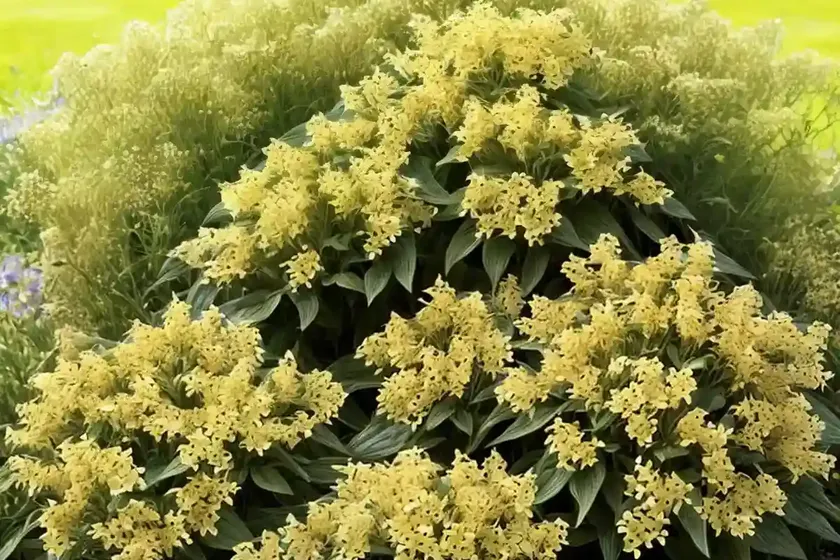
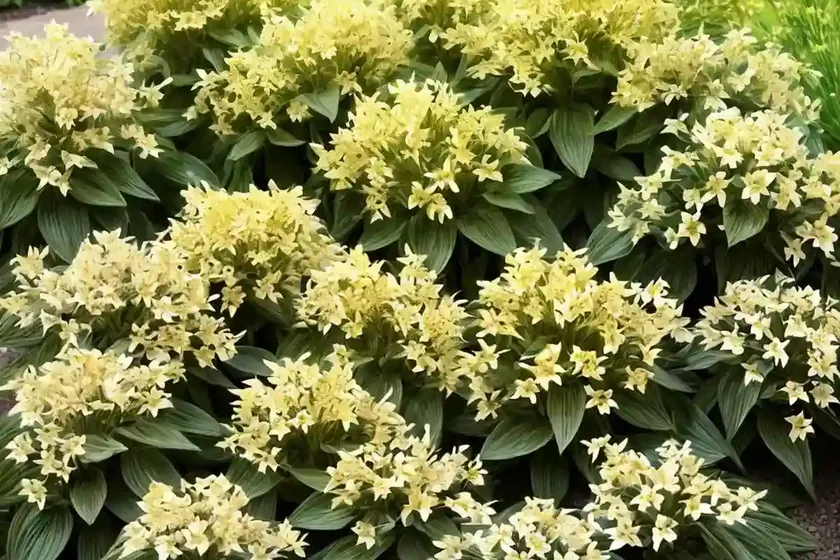
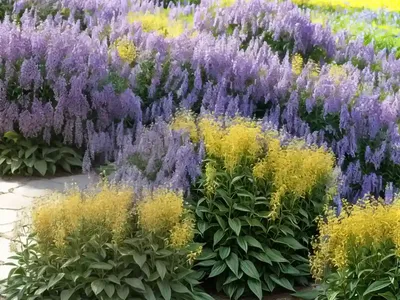
Loosestrife (Lysimachia japonica var. minutissima) is a species of flowering plant in the family Primulaceae. It is native to East Asia and is commonly found in countries such as Japan, Korea, and China. This perennial herbaceous plant is characterized by its delicate, lance-shaped green leaves and clusters of bright yellow, star-shaped flowers. The botanical name “Lysimachia” is derived from the name of the King of Thrace, Lysimachus, who was an enthusiastic supporter of botany and the sciences.
Key Takeaways – Loosestrife (Lysimachia japonica var. minutissima)
Before delving into the various aspects of loosestrife, let’s summarize the key takeaways of this remarkable plant:
- Loosestrife (Lysimachia japonica var. minutissima) is a perennial herbaceous plant with vibrant yellow, star-shaped flowers.
- It is native to East Asia, particularly Japan, Korea, and China.
- The plant is revered for its charming foliage and its adaptability to different environmental conditions.
- Loosestrife can be incorporated into gardens, landscapes, water features, and even indoor settings, making it a versatile choice for plant enthusiasts.
Now that we have an overview of loosestrife, let’s explore its culture, uses, and the key factors contributing to its successful cultivation.
Culture
Understanding the cultural requirements of loosestrife is essential for ensuring its optimal growth and development. From water and sunlight to soil and fertilizer, each aspect contributes to the overall well-being of the plant.
Water
Loosestrife thrives in moist to wet soil conditions, making it an ideal choice for gardens with adequate water availability. It is particularly well-suited for water gardens, pond edges, and other similar aquatic environments. Adequate moisture is crucial for the plant’s health, and it is important to ensure that the soil does not dry out completely, especially during the hot summer months.
Sunlight
When it comes to sunlight, loosestrife prefers partial to full sun exposure. While it can tolerate some shade, providing it with ample sunlight will promote better flowering and overall vigor. In regions with intense summer heat, providing some afternoon shade can help prevent stress on the plant.
Fertilizer
Loosestrife generally does not have high fertility requirements. However, incorporating organic matter into the soil during planting can provide a good foundation for healthy growth. Additionally, a balanced, slow-release fertilizer can be applied in spring to support the plant’s growth and flowering.
Soil
The ideal soil for loosestrife is rich, moist, and well-drained. It thrives in slightly acidic to neutral pH levels. Organic-rich soils that retain moisture are particularly beneficial for the plant’s growth and flowering.
Uses
Loosestrife offers a multitude of uses and can be incorporated into various settings, adding visual appeal and a touch of natural elegance. Let’s explore some of the primary uses of loosestrife:
-
Gardens and Landscapes: With its vibrant flowers and attractive foliage, loosestrife serves as a charming addition to gardens and landscapes. It can be planted in borders, mixed perennial beds, and naturalized areas, adding a splash of color and interest.
-
Water Gardens: Due to its preference for moist conditions, loosestrife is well-suited for water gardens, pond edges, and areas with consistently damp soil. Its bright blooms create a striking contrast against the water, enhancing the visual allure of aquatic environments.
-
Container Gardening: While loosestrife excels in garden and landscape settings, it can also be grown in containers. This versatility allows individuals with limited garden space to enjoy the beauty of loosestrife on patios, balconies, and other confined areas.
-
Wildlife Habitat: The nectar-rich flowers of loosestrife attract pollinators, making it an excellent choice for wildlife-friendly gardens. Bees, butterflies, and other beneficial insects are drawn to its blooms, contributing to the overall biodiversity of the garden.
-
Cut Flower: Loosestrife’s vibrant blooms make it a delightful choice for cut flower arrangements. Its long-lasting flowers can be featured in floral displays, bringing the beauty of the outdoors into indoor spaces.
Pruning
Pruning plays a crucial role in maintaining the health and aesthetics of loosestrife. While this plant generally requires minimal pruning, there are certain considerations to keep in mind to ensure its optimal growth.
Maintenance Pruning
Regular deadheading of spent flowers can encourage continuous blooming and prevent the plant from diverting its energy towards seed production. Additionally, removing any diseased or damaged foliage helps maintain the plant’s overall health and appearance.
Controlling Spread
In some regions, loosestrife species have a tendency to spread aggressively, potentially becoming invasive. To prevent unchecked spread, it is essential to remove any unwanted seedlings and to consider dividing the plant every few years to maintain its growth within desired boundaries.
Pruning Timing
Pruning tasks for loosestrife can be carried out during the active growing season. However, it is advisable to avoid heavy pruning in late summer or early fall, as this can interfere with the plant’s ability to prepare for the dormant winter months.
Propagation
Propagation of loosestrife can be achieved through several methods, offering flexibility for expanding your plant collection or sharing its beauty with others.
Division
Division is a common propagation method for loosestrife. It involves dividing the plant’s root system into sections, each with its own growing points. This can be undertaken in early spring or fall, allowing the divided segments to establish themselves before the onset of harsh weather conditions.
Seed Propagation
Loosestrife can also be propagated from seeds. Collecting ripe seeds and sowing them in a well-prepared seedbed or containers provides an opportunity to grow new plants. Keep in mind that seed-grown loosestrife may exhibit some variation from the parent plant in terms of flower color and other characteristics.
Stem Cuttings
Taking stem cuttings from established plants is another viable method for propagating loosestrife. Select healthy, non-flowering stems and root them in a suitable growing medium to initiate new plant growth. This method allows for the creation of genetically identical clones of the parent plant.
Container Popularity
Loosestrife’s adaptability and aesthetic appeal make it a popular choice for container gardening. Whether placed on patios, decks, or balconies, loosestrife’s graceful form and colorful blooms can brighten confined spaces and enhance outdoor living areas. Its ability to thrive in moist conditions also makes it suitable for container gardens with water features, such as fountains and small ponds.
Container Selection
When selecting a container for loosestrife, opt for a spacious pot with adequate drainage holes. The container should be large enough to accommodate the plant’s root system and allow room for growth. Additionally, consider the aesthetic appeal of the container, choosing one that complements the plant’s foliage and flowers.
Soil Considerations
Choosing a well-draining soil mix is crucial for container-grown loosestrife. A high-quality potting mix that retains moisture while preventing waterlogging is ideal for promoting healthy growth. Additionally, incorporating organic matter into the soil mix can provide essential nutrients for the plant.
Maintenance
Container-grown loosestrife may require more frequent watering than those planted in the ground, as pots tend to dry out more quickly. Monitor soil moisture levels and water the plant as needed to keep the soil consistently moist, but not waterlogged. Regular fertilization can also support the plant’s growth and blooming in the confined space of a container.
Common Diseases
While loosestrife is relatively resilient, it can be susceptible to certain diseases that can impact its health and appearance. Understanding these common diseases and their management is essential for maintaining the plant’s vigor.
Powdery Mildew
Powdery mildew, characterized by a white, powdery coating on the leaves, can affect loosestrife, particularly in humid conditions. Proper air circulation and reducing leaf wetness can help prevent this fungal disease. In cases of infection, applying a suitable fungicidal spray can aid in controlling the spread of powdery mildew.
Leaf Spot
Leaf spot, caused by various fungi, results in the formation of dark spots on the plant’s foliage. This can lead to leaf yellowing and premature defoliation if left unchecked. Pruning and removing affected foliage, coupled with the application of fungicidal treatments, can help manage leaf spot and prevent its recurrence.
Root Rot
Excessive moisture and poorly draining soil can contribute to the development of root rot in loosestrife. The disease causes the plant’s roots to decay, leading to wilting, stunted growth, and overall decline. Improving soil drainage and avoiding overwatering are essential measures for preventing root rot in loosestrife.
Disease Diagnosis
Recognizing the symptoms of plant diseases is crucial for accurate diagnosis and timely intervention. Understanding the visual cues associated with common diseases can guide effective management strategies.
Visual Symptoms
When inspecting loosestrife for signs of disease, look for irregularities such as white powdery patches on the leaves (indicative of powdery mildew), dark spots or lesions on the foliage (symptomatic of leaf spot), and wilting, yellowing leaves in the absence of adequate moisture (suggestive of root rot).
Laboratory Analysis
For cases where the cause of a plant’s decline is unclear based on visual symptoms alone, obtaining a laboratory analysis of the affected plant tissue can provide a more definitive diagnosis. This can involve submitting samples to diagnostic laboratories or working with local agricultural extension services for assistance.
Integrated Management
Combining cultural practices, such as appropriate watering and soil management, with targeted pesticide applications, when necessary, forms an integrated approach to disease management in loosestrife. Regular monitoring and proactive measures contribute to the plant’s overall health and resilience.
Common Pests
Loosestrife can also fall victim to various pests that can affect its growth and aesthetics. Identifying these common pests and employing suitable control measures is essential for protecting the plant from potential damage.
Aphids
Aphids are a common pest that can infest loosestrife, feeding on the plant’s sap and causing stunted growth and deformation of leaves. Insecticidal soaps and oils, as well as natural predators such as ladybugs, can help manage aphid populations and prevent widespread infestations.
Spider Mites
Spider mites are tiny arachnids that can cause stippling and webbing on loosestrife leaves, reducing the plant’s vigor. Regularly inspecting the foliage and using a strong blast of water to dislodge spider mites can help keep their populations in check. Additionally, introducing predatory mites can aid in controlling spider mite infestations.
Slugs and Snails
Slugs and snails feed on the foliage of loosestrife, leaving behind ragged holes and damage. Using physical barriers, such as copper tape or diatomaceous earth, can help deter these pests. Additionally, handpicking slugs and snails in the evening or early morning can reduce their impact on the plant.
Botanist’s Tips
As a plant scientist, it’s essential to share valuable insights and tips for the successful cultivation and care of loosestrife. These expert recommendations can enhance the gardening experience and contribute to the plant’s overall well-being.
Selecting Cultivars
When choosing loosestrife cultivars for your garden, consider factors such as flower color, growth habit, and adaptability to your specific environment. Selecting well-adapted cultivars can contribute to the longevity and vibrancy of the plant in your garden.
Watering Techniques
Maintaining consistent soil moisture is key to promoting healthy growth in loosestrife. Using mulch around the base of the plant can help retain moisture and reduce water loss through evaporation. Additionally, incorporating a drip irrigation system can provide targeted watering, ensuring the plant receives adequate moisture without water wastage.
Monitoring and Observation
Regularly monitoring the foliage, blooms, and overall growth of loosestrife allows for early detection of any potential issues, whether they are related to pests, diseases, or environmental stress. This proactive approach can facilitate timely intervention and prevent problems from escalating.
Beneficial Companions
When planning your garden, consider incorporating companion plants that complement loosestrife and offer mutual benefits. Selecting pollinator-friendly plants, moisture-loving species, and those with contrasting foliage can create harmonious plant combinations and enhance the overall garden ecosystem.
Fun Facts
As we continue our exploration of loosestrife, let’s delve into some intriguing and little-known facts about this captivating plant:
- The family Primulaceae, to which loosestrife belongs, includes a diverse array of plant species, ranging from woodland perennials to moisture-loving aquatic plants.
- Loosestrife has a rich historical significance, with its use dating back to ancient times for medicinal, culinary, and ornamental purposes.
- In addition to its ornamental value, loosestrife has been featured in folklore and traditional beliefs, signifying attributes such as joy, harmony, and resilience in different cultures.
Links to External Resources
To further expand your knowledge and appreciation of loosestrife, here are some valuable external resources that provide additional insights and information:
- Royal Horticultural Society – Lysimachia japonica
- Missouri Botanical Garden – Lysimachia punctata
- University of Wisconsin-Madison Extension – Loosestrife Control
- United States Department of Agriculture – Lysimachia Species
Conclusion
In conclusion, loosestrife (Lysimachia japonica var. minutissima) stands as a remarkable plant with a wealth of attributes, ranging from its vibrant blooms to its adaptability to diverse environments. By understanding its cultural needs, employing proper care techniques, and remaining attentive to potential challenges, you can successfully integrate loosestrife into your garden, landscape, or container gardens, and revel in its timeless beauty. Whether enjoyed for its visual appeal, ecological contributions, or historical significance, loosestrife remains an enchanting addition to the world of plants, capturing the admiration of nature enthusiasts and gardeners alike.