Growing Guide for Greater Musk Mallow (Malva Moschata)
Greater Musk Mallow, scientifically known as Malva Moschata, is a charming perennial plant that belongs to the family of Malvaceae. With its delightful pink or white blossoms and long blooming period, it is a favorite among horticulturists and gardeners. In this comprehensive guide, we will delve into the various aspects of the cultivation, care, and utility of Greater Musk Mallow. Whether you’re a seasoned gardener or a novice plant enthusiast, this guide aims to provide you with a holistic understanding of this beautiful plant.
What is the Greater Musk Mallow (Malva Moschata)?
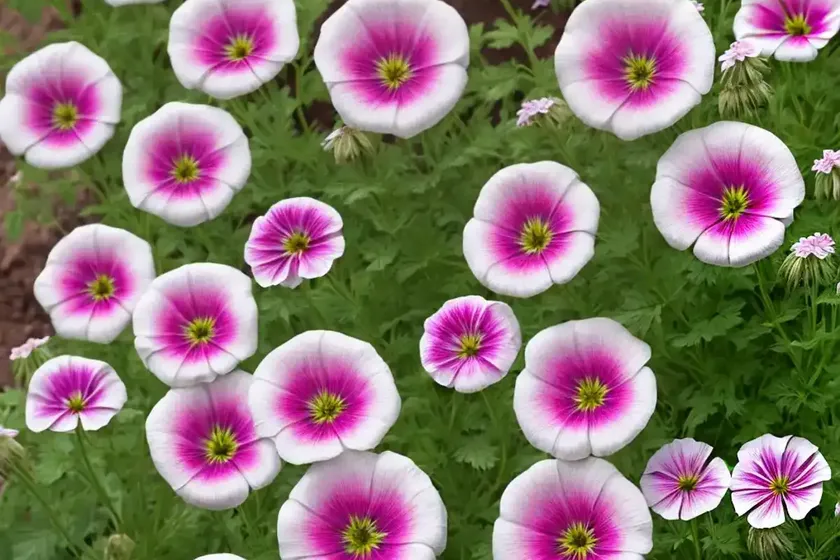
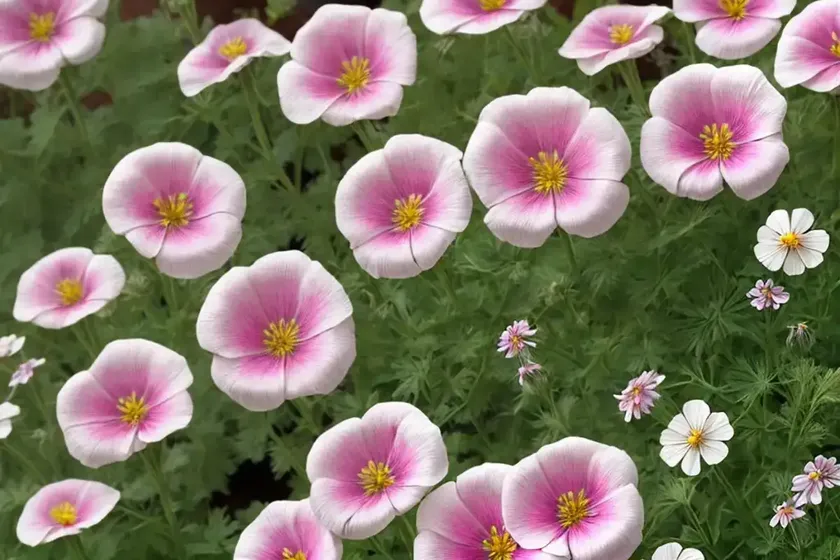
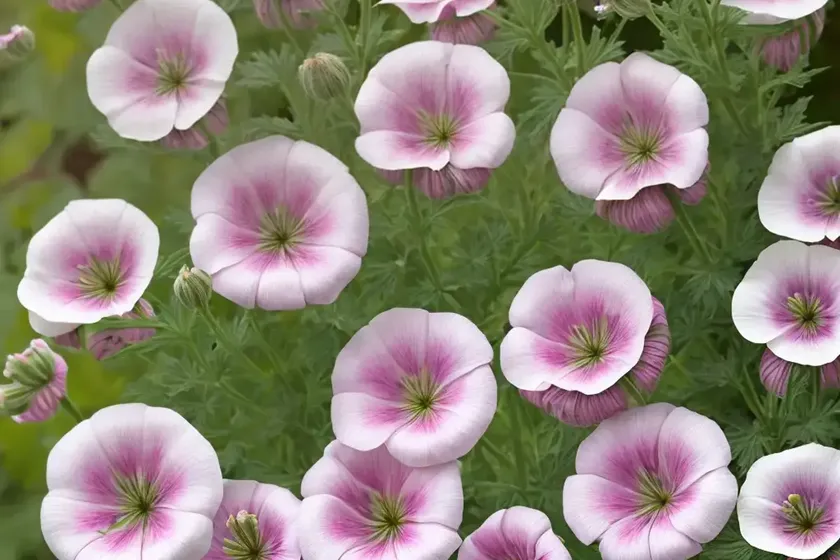
Greater Musk Mallow, also commonly referred to as Musk Mallow or Muskflower, is a herbaceous perennial plant native to Europe and Western Asia. It is recognized for its delicate, pale pink or white flowers that bear a resemblance to those of hollyhocks. The plant typically reaches a height of 2 to 3 feet and spreads to a width of 12 to 24 inches. The leaves are medium green and palmately veined, creating an attractive backdrop for the blooming flowers.
Key Takeaways – Greater Musk Mallow (Malva Moschata)
Before diving into the specifics of growing and caring for Greater Musk Mallow, let’s explore some key takeaways about this enchanting plant:
- Botanical Name: Malva Moschata
- Common Names: Greater Musk Mallow, Musk Mallow, Muskflower
- Plant Type: Herbaceous Perennial
- Hardiness Zones: 4 – 8
- Mature Size: 2 – 3 feet in height, 12 – 24 inches in width
- Sunlight: Full Sun to Part Shade
- Watering: Moderate
- Soil pH: Slightly Acidic to Neutral (6.0 – 7.0)
- Bloom Time: Early Summer to Early Fall
- Native Range: Europe, Western Asia
Now, let’s embark on a detailed journey into the various aspects of cultivating, caring for, and enjoying the beauty of Greater Musk Mallow.
Culture
Uses
Greater Musk Mallow is a versatile plant with several potential uses and applications:
- Ornamental Plant: With its charming flowers and attractive foliage, the Greater Musk Mallow serves as an excellent ornamental addition to gardens, borders, and naturalized settings.
- Wildlife Attraction: The nectar-rich flowers of Malva Moschata attract pollinators, including bees and butterflies, making it a valuable addition to pollinator gardens.
- Cut Flower: The long, slender stems of Greater Musk Mallow make it suitable for cut flower arrangements, adding a touch of natural elegance to indoor spaces.
Growing Conditions
Water
The water requirements for Greater Musk Mallow can be summarized as follows:
- Regular Watering: Greater Musk Mallow generally prefers moderate and consistent moisture. While it can tolerate short periods of drought once established, it thrives best with regular watering, particularly during dry spells or extended periods of heat.
Sunlight
The sunlight needs of Greater Musk Mallow are as follows:
- Sun Exposure: Full sun to part shade. This versatile plant can thrive in a range of light conditions, making it suitable for various garden settings, from sunny borders to partially shaded areas.
Fertilizer
Greater Musk Mallow is not particularly heavy feeders, and in most cases, it can thrive without the need for regular fertilization. However, to promote optimal growth and blooming, a balanced, all-purpose fertilizer can be applied in early spring as new growth begins to emerge.
Soil
The ideal soil conditions for Greater Musk Mallow are as follows:
- Soil Type: Well-drained, fertile soil
- Soil pH: Slightly acidic to neutral (pH 6.0 – 7.0)
- Soil Amendments: Incorporating organic matter such as compost or well-rotted manure into the soil can help improve its overall texture and fertility, benefitting the growth of Greater Musk Mallow.
Pruning
Pruning techniques for Greater Musk Mallow involve the following considerations:
- Deadheading: Regular removal of spent blooms can encourage the plant to produce more flowers and can help maintain a neat and tidy appearance.
- Cutting Back: In late fall or early spring, cutting back the faded stems to ground level can help rejuvenate the plant and promote healthy, vigorous growth during the next growing season.
Propagation
From Seeds
Greater Musk Mallow can be propagated from seeds, and the process can be summarized as follows:
- Seed Collection: Harvest seeds from mature seedpods once they have dried and turned brown on the plant.
- Seed Starting: Start seeds indoors in early spring, or directly sow them outdoors in prepared soil. Keep the soil consistently moist until germination occurs.
From Division
Dividing mature Greater Musk Mallow plants every few years can help rejuvenate them and increase their numbers. The following steps outline the process of propagation through division:
- Division Time: Spring or early fall
- Digging: Carefully dig up the mature plant, taking care to preserve the root system.
- Separation: Gently divide the plant into sections, ensuring that each division has both roots and healthy foliage.
- Transplanting: Replant the divisions in prepared soil and water them thoroughly.
Container Gardening
Greater Musk Mallow can be cultivated in containers, providing an opportunity to enjoy its beauty in smaller gardens, patios, or balconies. When growing Malva Moschata in containers, consider the following factors:
- Container Size: Select a container that provides ample room for the plant’s root system to expand. A diameter of at least 12 inches is recommended.
- Drainage: Ensure that the container has adequate drainage holes to prevent waterlogging and root rot.
- Soil: Use a well-draining potting mix to promote healthy root growth and prevent waterlogging.
Popularity
Greater Musk Mallow has garnered popularity among gardeners and plant enthusiasts for several reasons:
- Charming Appearance: The delicate, cup-shaped flowers and attractive foliage of Malva Moschata make it a visually appealing addition to gardens and landscapes.
- Adaptability: Its ability to thrive in a range of growing conditions, from full sun to part shade, contributes to its popularity as a versatile garden plant.
- Wildlife Benefits: The nectar-rich flowers of Greater Musk Mallow attract and support beneficial pollinators, enhancing its ecological value in gardens.
Common Diseases
While Greater Musk Mallow is generally resistant to most diseases, it can occasionally be affected by certain fungal issues such as powdery mildew or rust. It is essential to monitor the plant for any signs of disease and take appropriate measures to prevent or address these issues.
Disease Diagnosis
Common signs of fungal diseases in Greater Musk Mallow include:
- Powdery Mildew: The presence of powdery, white spots on the leaves and stems.
- Rust: The appearance of orange, rust-like pustules on the undersides of the leaves.
Common Pests
Greater Musk Mallow is relatively resistant to pest infestations. However, it may occasionally encounter issues with common garden pests such as aphids or spider mites, particularly during periods of stress or drought.
Botanist’s Tips
To ensure the successful cultivation and care of Greater Musk Mallow, consider the following tips:
- Regular Monitoring: Keep a close eye on the plant for any signs of stress, disease, or pest infestations, addressing any issues promptly.
- Moderate Watering: Aim for moderate and consistent moisture, avoiding both waterlogged and excessively dry soil conditions.
- Deadheading: Regularly remove spent blooms to encourage prolonged flowering and maintain the plant’s overall appearance.
Fun Facts
Here are a few intriguing and fun facts about Greater Musk Mallow:
- Historical Uses: The leaves and roots of Malva Moschata were historically used in traditional herbal remedies for various ailments.
- Culinary Potential: Some species of the Malva genus, including M. moschata, have culinary uses, with their leaves being consumed as a green vegetable in certain regions.
Links to External Resources
For more in-depth information on Greater Musk Mallow and related topics, explore the following external resources: