Florida Thatch (Thrinax Radiata): The Exquisite and Resilient Palms of Southern Florida
Florida is known for its beautiful and diverse plant life, and the Florida Thatch palm (Thrinax Radiata) is undoubtedly one of the most iconic species found in the region. This elegant and resilient palm holds a special place in the hearts of plant enthusiasts and landscapers alike, owing to its striking appearance, adaptability, and numerous cultural and ecological uses. In this comprehensive guide, we will delve deep into the various facets of Florida Thatch palms, exploring their cultural significance, uses, care requirements, common diseases and pests, and much more. Whether you’re a seasoned horticulturist or an enthusiastic green thumb, there’s something to learn and appreciate about these majestic palms.
What is the Florida Thatch (Thrinax Radiata)?
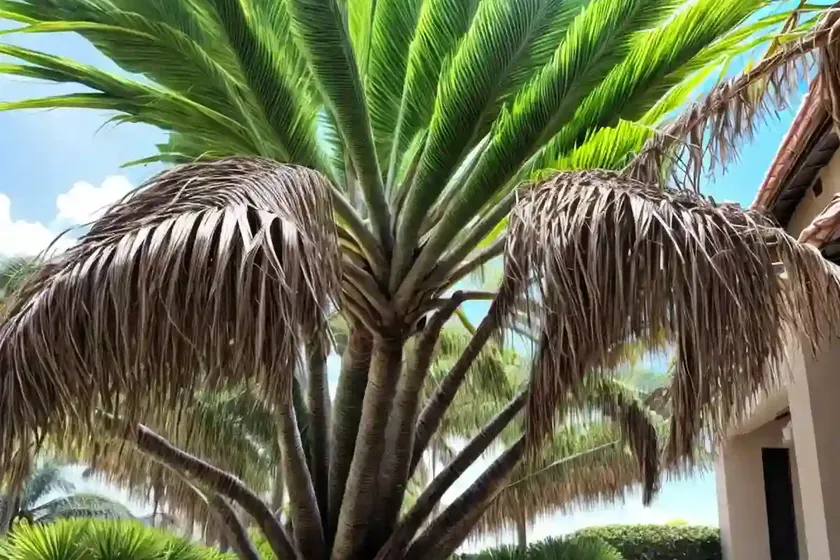
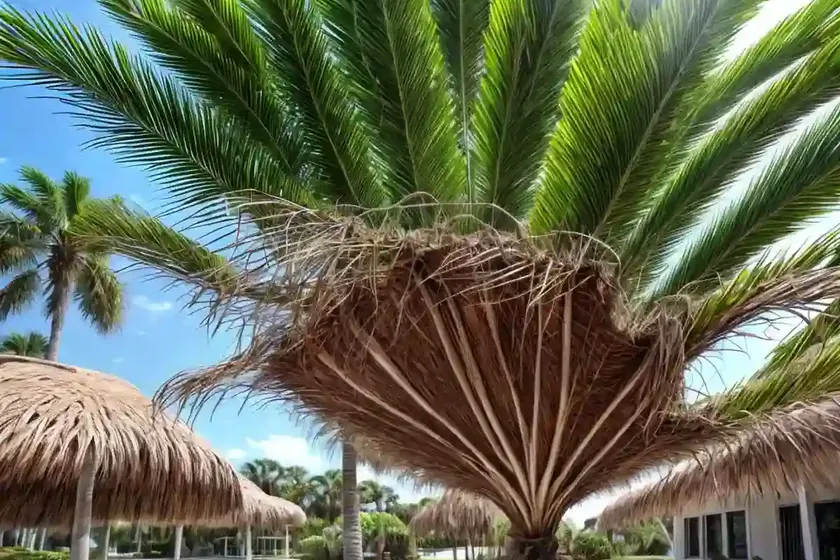
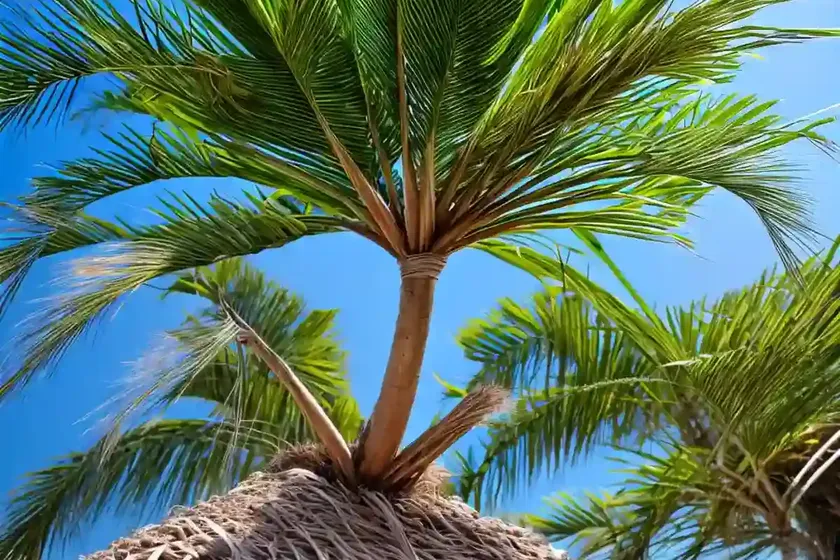
The Florida Thatch palm, scientifically known as Thrinax Radiata, is a species of palm native to southern Florida, as well as several Caribbean islands including Cuba and the Bahamas. Belonging to the Arecaceae family, this palm species is characterized by its slender trunk, elegantly arching fronds, and a dense thatch of fibrous material at its base, from which it derives its common name. These palms thrive in subtropical and tropical climates, exhibiting remarkable resilience to various environmental conditions.
Key Takeaways – Florida Thatch (Thrinax Radiata)
Let’s start by summarizing some key points about the Florida Thatch palm. These takeaways will provide a quick overview before we dive into the specifics of its culture, uses, care requirements, and more.
- Common Name: Florida Thatch palm
- Scientific Name: Thrinax Radiata
- Native Range: Southern Florida, Caribbean islands (e.g., Cuba, Bahamas)
- Distinctive Features: Slender trunk, gracefully arching fronds, fibrous thatch at base
- Cultural Significance: Widely used in landscaping, coastal stabilization, and as an ornamental plant
- Adaptability: Thrives in subtropical and tropical climates with significant tolerance to environmental stressors
- Ecological Importance: Supports local wildlife and contributes to the overall biodiversity of its native habitat
Now that we have a basic understanding of the Florida Thatch palms, let’s explore the various aspects associated with these captivating plants.
Culture of Florida Thatch (Thrinax Radiata)
Understanding the cultural requirements of the Florida Thatch palm is essential for its successful growth and development. From soil preferences to water needs, each aspect plays a crucial role in nurturing these palms. Let’s take a closer look at the cultural considerations for cultivating and caring for Florida Thatch palms.
Uses
Florida Thatch palms have been revered for their multifaceted uses, making them highly sought after in both horticultural and ecological contexts. Understanding these uses is vital for appreciating the significance of these palms in various settings.
Horticultural Uses
- Landscaping: Florida Thatch palms are popular choices in landscaping due to their striking appearance and ornamental value. They are often used as focal points in tropical and subtropical garden designs, adding a touch of elegance to outdoor spaces.
- Coastal Stabilization: Owing to their robust root systems and adaptability to coastal environments, Florida Thatch palms are utilized in stabilizing dunes and preventing erosion along coastlines. Their ability to withstand strong winds and salt spray makes them ideal candidates for such remediation projects.
Ecological Uses
- Wildlife Support: These palms provide essential resources for various wildlife species, including birds and insects. The dense fronds offer nesting sites for birds, while the fruits attract a range of native fauna, contributing to the local ecosystem’s biodiversity.
- Biodiversity Conservation: In their native habitats, Florida Thatch palms play a role in preserving the overall biodiversity by providing habitats and resources for diverse plant and animal species.
Water
Proper irrigation is crucial for the health and vigor of Florida Thatch palms. Understanding their water needs is essential to prevent both under-watering and over-watering, which can have detrimental effects on their growth.
- Watering Frequency: Florida Thatch palms prefer moderately moist conditions. During the growing season, they generally require regular watering, ensuring that the soil remains consistently moist, but not waterlogged.
- Drought Tolerance: Despite their preference for moist soil, these palms exhibit notable drought tolerance once established. Their ability to withstand periods of reduced water availability makes them suitable for various landscape settings, including xeriscapes.
Sunlight
As with most plants, sunlight plays a pivotal role in the growth and development of Florida Thatch palms. Understanding their sunlight requirements helps in selecting suitable planting locations and ensuring optimal growing conditions.
- Sun Exposure: Florida Thatch palms thrive in full to partial sunlight. Adequate sunlight is essential for promoting healthy frond growth and supporting overall vigor.
- Shade Tolerance: While they prefer sunny conditions, Florida Thatch palms can tolerate partial shade, especially in regions with intense heat or during their early establishment phase.
Fertilizer
Proper nutrition is essential for sustaining the lush green fronds and overall health of Florida Thatch palms. Fertilization practices tailored to their specific needs can enhance their growth and resilience.
- Fertilizer Type: Utilizing a balanced, slow-release fertilizer formulated for palm trees is recommended. These fertilizers provide essential macro and micronutrients, supporting the palms’ overall nutrient requirements.
- Application Frequency: Fertilizers should typically be applied during the growing season, with a preference for applying them in early spring and late summer. Adjusting the fertilizer application based on the palm’s response and overall growth is essential for maintaining an optimal nutrient balance.
Soil
The soil composition greatly influences the health and vitality of Florida Thatch palms. Understanding their soil preferences aids in selecting suitable planting sites and implementing appropriate soil management practices.
- Well-Drained Soil: Florida Thatch palms thrive in well-drained soils with good aeration. Excessively waterlogged or compacted soils can lead to root suffocation and other detrimental effects on palm health.
- Soil pH: They generally prefer slightly acidic to neutral soil pH levels, ranging between 6.0 to 7.5. Monitoring soil pH and making necessary amendments helps in maintaining an ideal growing environment for these palms.
Pruning
Pruning is a fundamental aspect of palm tree maintenance, contributing to their aesthetic appeal, structural integrity, and overall health. Implementing proper pruning techniques is essential for preserving the beauty and functionality of Florida Thatch palms.
- Frond Removal: Regularly removing dead or yellowing fronds is critical for preventing potential pest and disease issues. Pruning should be conducted with caution, ensuring that the live fronds are not damaged in the process.
- Inflorescence Maintenance: If the Florida Thatch palm produces inflorescences, the careful removal of spent flower stalks can enhance the visual appeal of the palm and prevent unnecessary energy expenditure.
Propagation
Understanding the propagation methods for Florida Thatch palms is valuable for plant enthusiasts and horticulturists seeking to expand their palm collections or engage in propagation for conservation purposes.
- Seed Propagation: Propagation using fresh, viable seeds is a common method for cultivating Florida Thatch palms. It involves collecting mature seeds, sowing them in well-draining, sterile media, and providing optimal conditions for germination and seedling establishment.
Container Popularity
Florida Thatch palms are increasingly popular as container plants, allowing enthusiasts to bring a touch of the tropics to their indoor and outdoor spaces. Their adaptability to container growth makes them versatile options for various settings.
- Indoor Containers: These palms can thrive indoors if provided with adequate light and suitable growing conditions. They add a tropical ambiance to interior spaces and are often featured as ornamental accents in homes and commercial settings.
- Outdoor Containers: When grown in outdoor containers, Florida Thatch palms offer flexibility in landscaping and garden design. They can be strategically placed on patios, decks, or garden beds, providing a captivating focal point.
Common Diseases
Like all plants, Florida Thatch palms are susceptible to certain diseases, and recognizing the symptoms and preventive measures is crucial for maintaining their health.
Disease Diagnosis
Understanding the common diseases affecting Florida Thatch palms helps in early detection and prompt intervention to mitigate potential damage and preserve the palms’ vitality.
- Fusarium Wilt: This fungal disease can cause wilting, yellowing, and wilting of fronds, eventually leading to the death of affected palms. Proper sanitation and maintaining optimal growing conditions aid in preventing Fusarium wilt.
- Ganoderma Butt Rot: Ganoderma fungal species can infect the lower trunk of Florida Thatch palms, causing significant decay and structural instability. Preventive measures include avoiding mechanical wounds and maintaining proper soil drainage around the trunk.
Common Pests
Pest infestations can pose significant threats to the health and aesthetics of Florida Thatch palms. Vigilance and proactive pest management strategies are essential for preventing and addressing pest-related issues.
Botanist’s Tips
Gleaning insights and tips from experienced botanists and horticulturists can significantly enhance the success of growing and caring for Florida Thatch palms.
Fun Facts
Uncovering interesting and lesser-known facts about Florida Thatch palms adds to the overall appreciation of these remarkable palm species.
Links to External Resources
Exploring reputable external resources provides a wealth of knowledge and insights into Florida Thatch palms, expanding our understanding and appreciation of these iconic plants.
Conclusion
Florida Thatch palms, with their elegance and resilience, epitomize the beauty and robustness of tropical flora. From their cultural significance in landscaping to their ecological contributions in supporting wildlife, these palms hold a special place in the botanical tapestry of southern Florida. Understanding and appreciating the nuances of their culture, uses, care requirements, and ecological importance enriches our horticultural pursuits and ecological stewardship. As we continue to delve into the enchanting world of palms such as the Florida Thatch, let’s embrace the opportunity to learn, nurture, and marvel at the wonders of nature that enrich our lives and surroundings.
Keywords: Florida Thatch palm, Thrinax Radiata, Florida Thatch plant, Thatch palm tree, Thrinax Radiata care, Florida Thatch palm care, Thrinax Radiata palm, Thatch palm care tips, Florida Thatch palm tree, Thrinax Radiata plant, Florida Thatch palm benefits, Thatch palm species, Thrinax Radiata characteristics, Florida Thatch palm growth, Thatch palm pruning, Thrinax Radiata propagation, Florida Thatch palm facts, Thatch palm landscaping, Thrinax Radiata indoor plant, Florida Thatch palm outdoor, Thatch palm disease prevention, Thrinax Radiata soil requirements, Florida Thatch palm water needs, Thatch palm sun exposure, Thrinax Radiata leaves, Florida Thatch palm trunk, Thatch palm pests, Thrinax Radiata flowering, Florida Thatch palm root system, Thatch palm companion plants, Thrinax Radiata garden design, Florida Thatch palm climate tolerance, Thatch palm natural habitat, Thrinax Radiata wildlife value, Florida Thatch palm landscaping ideas, Thatch palm container gardening, Thrinax Radiata maintenance tips, Florida Thatch palm drought tolerance, Thatch palm repotting, Thrinax Radiata seed germination, Florida Thatch palm winter care, Thatch palm wind resistance, Thrinax Radiata fertilizer requirements, Florida Thatch palm fruit, Thatch palm outdoor decoration, Thrinax Radiata medicinal uses, Florida Thatch palm ornamental value, Thrinax Radiata leaf spot prevention, Florida Thatch palm coastal gardens, Thatch palm landscape maintenance