Borage (Borago Officinalis): Everything You Need to Know
Borage (Borago officinalis) is a versatile and resilient plant that has been valued for centuries for its culinary, medicinal, and ornamental qualities. In this comprehensive guide, we will explore the various aspects of Borage, including its cultural requirements, practical uses, and its role in folklore and traditional medicine. Whether you’re an avid gardener, a herbal enthusiast, or simply intrigued by the fascinating world of plants, this article will provide you with a wealth of information about Borage.
What is Borage?
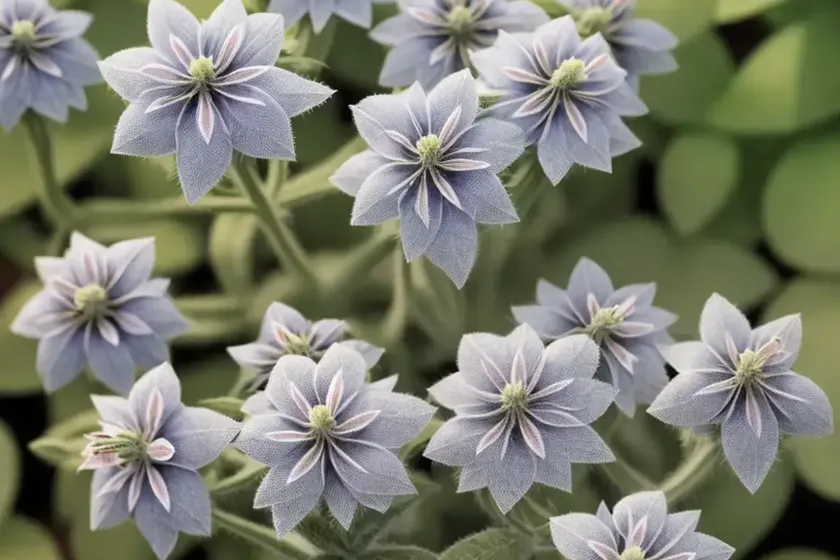
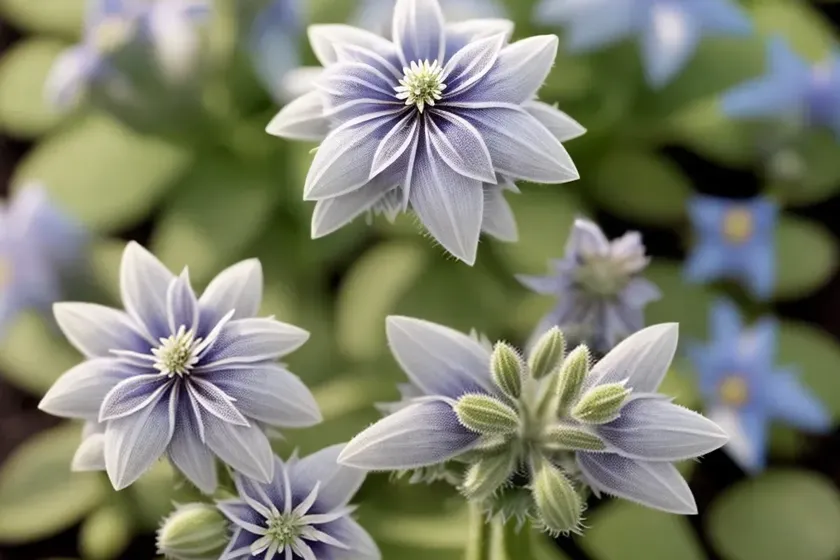
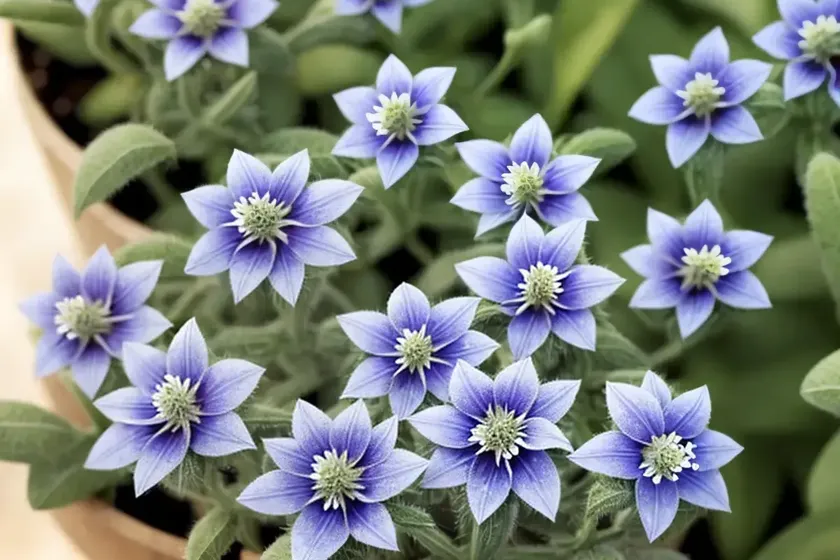
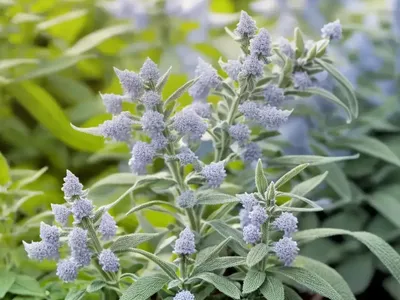
Borage, scientifically known as Borago officinalis, is an annual herb belonging to the Boraginaceae family. It is native to the Mediterranean region and is characterized by its vibrant blue, star-shaped flowers and bristly leaves. The plant is also known by several other names, including starflower, bee plant, and bee bread.
The unique flavor and scent of Borage have made it a popular addition to culinary dishes, and its long history of traditional medicinal use further adds to its appeal. In addition to its practical uses, Borage has also been associated with various folklore and symbols, making it a plant of great cultural significance.
Key Takeaways – Borage (Borago Officinalis)
Before delving into the specifics of Borage care and usage, here are the essential takeaways about this remarkable herb:
- Borage, scientifically known as Borago officinalis, is an annual herb with bright blue, star-shaped flowers.
- The plant is valued for its culinary uses, medicinal properties, and ornamental value in gardens.
- Borage is rich in nutrients and has been linked to various health benefits, including anti-inflammatory and stress-relief properties.
- The plant plays a vital role in supporting pollinators, particularly bees, making it an excellent choice for biodiversity in gardens.
Now that we have a brief overview of Borage, let’s explore its specific cultural requirements, uses, and practical tips for successful cultivation.
Culture
Cultivating Borage is a rewarding experience, given its versatility and ease of care. However, understanding its specific cultural requirements is essential to ensure its optimal growth and productivity.
Water
Borage is a relatively drought-tolerant plant and does not require excessive watering. It thrives in well-drained soil and, once established, can withstand dry conditions. When watering Borage, aim to provide moderate moisture, particularly during periods of prolonged drought or intense heat. However, be cautious not to overwater, as waterlogging can lead to root rot and other issues.
Sunlight
As a sun-loving herb, Borage thrives in full sunlight. It should be grown in a location that receives at least six to eight hours of direct sunlight per day. Insufficient sunlight can result in leggy growth and fewer blooms. Therefore, when selecting a site for planting Borage, prioritize areas with ample sunlight exposure.
Fertilizer
Borage typically does not require heavy feeding and can thrive in moderately fertile soil. However, incorporating organic matter, such as compost, into the soil before planting can promote healthy growth. If the soil is particularly poor, a balanced fertilizer can be applied sparingly during the growing season to provide essential nutrients.
Soil
Borage is adaptable to various soil types but thrives in well-drained, loamy soil with a slightly acidic to neutral pH. Soil that retains excess moisture may lead to root rot and other issues, so choosing well-draining soil is critical. Additionally, the presence of organic matter in the soil can enhance the overall health and vigor of Borage plants.
Pruning
Pruning Borage can help manage its growth and encourage a bushier, more compact form. Deadheading spent flowers can prolong the blooming period and prevent self-seeding, especially if the goal is to contain its spread. Additionally, removing any damaged or diseased stems can help maintain the plant’s overall health. Pruning should be performed regularly to keep the plant tidy and to prevent it from becoming invasive in the garden.
Propagation
Borage can be easily propagated from seeds, making it a straightforward addition to any garden or landscape. The seeds can be sown directly into the ground after the last frost date, as the plant does not transplant well due to its deep taproot. To promote successful germination, sow the seeds in fertile, well-drained soil and keep the area consistently moist until the seedlings emerge.
Container Popularity
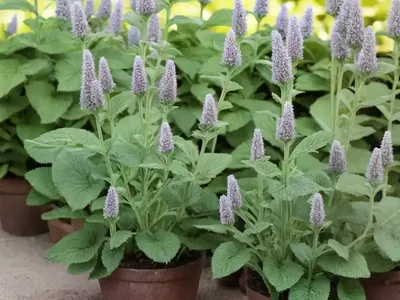
Borage is well-suited for container gardening, particularly for those with limited outdoor space. Its compact growth habit and attractive flowers make it an excellent choice for adding color and interest to patios, balconies, and other small outdoor areas. When growing Borage in containers, ensure that the pots have drainage holes to prevent waterlogging, and use a high-quality potting mix to support healthy growth.
Common Diseases
While generally resilient, Borage can be susceptible to certain diseases, particularly those related to fungal infections. Common diseases that affect Borage include powdery mildew, leaf spot, and root rot. It is essential to monitor the plants regularly for signs of disease and take proactive measures to prevent or manage these issues.
Disease Diagnosis
Diagnosing diseases in Borage involves careful observation of the plant’s foliage, stems, and overall growth. Symptoms of powdery mildew include a white, powdery coating on the leaves, while leaf spot manifests as dark spots or lesions on the foliage. Root rot may be identified by wilting, yellowing, or stunted growth. As soon as symptoms are noticed, appropriate action should be taken to address the specific disease.
Common Pests
Borage is relatively pest-resistant, but certain pests may occasionally cause issues for the plant. Aphids, spider mites, and caterpillars are among the common pests that can affect Borage. Regular inspection of the plants can help to detect pest infestations early, allowing for prompt intervention to mitigate the damage.
Botanist’s Tips
For optimal success in growing and utilizing Borage, consider the following tips from experienced botanists and herbal enthusiasts:
- Choose a sunny location for planting Borage to ensure vigorous growth and abundant blooms.
- Incorporate organic matter into the soil to enhance its fertility and moisture-retention capabilities.
- Monitor the plants closely for signs of disease and pest infestations, addressing any issues promptly to prevent widespread damage.
- Experiment with using Borage in culinary dishes and beverages to enjoy its unique flavor and potential health benefits.
Fun Facts
Discover some intriguing and lesser-known facts about Borage:
- Borage has a long history of use in folklore, where it has been associated with courage and bravery.
- The leaves and flowers of Borage are edible and can be used to garnish salads, desserts, and beverages.
- Borage is often planted alongside other herbs and vegetables to benefit neighboring plants by attracting pollinators.
With its captivating blue blooms and a myriad of practical uses, Borage continues to captivate the interest of gardeners, herbalists, and plant enthusiasts around the world. Explore the links below to delve deeper into the world of Borage and its rich heritage.
Links to External Resources
- Health Benefits of Borage
- Medicinal Uses of Borago Officinalis
- Growing Borage in Your Garden
- Uses of Borage in Herbal Medicine
- Borage Plant Care Tips
- Borage Companion Plants
- Borage Tea Recipe
- Culinary Uses of Borage
- Borage Oil Benefits
- Borage Plant Description
- Borage Medicinal Properties
Continue your exploration of Borage with the following links to articles, recipes, and in-depth resources that offer valuable insights into this remarkable herb. Whether you’re interested in its culinary potential, medicinal properties, or its role in supporting biodiversity, you’ll find a wealth of knowledge to expand your understanding of Borage.
As we conclude this comprehensive guide, we hope that you have gained a deeper appreciation for the remarkable qualities of Borage and its enduring significance in the world of plants and herbalism. Happy gardening and may your journey with Borage be filled with beauty, flavor, and well-being.